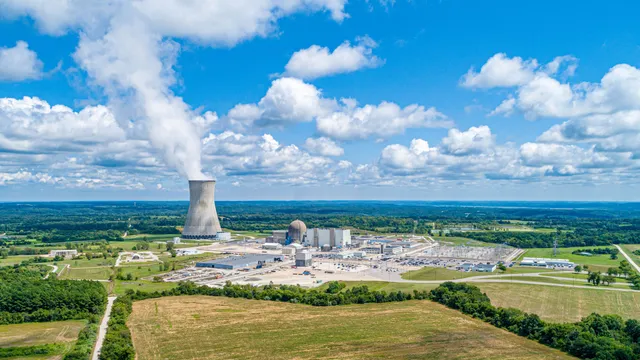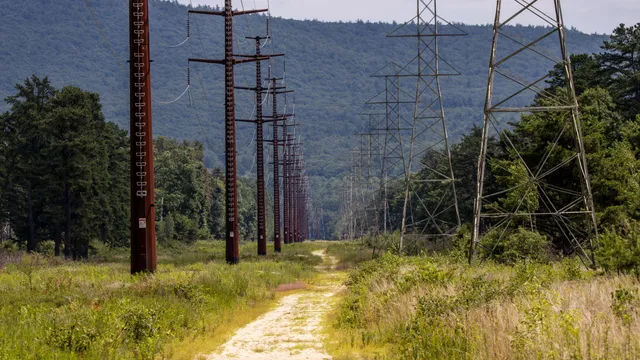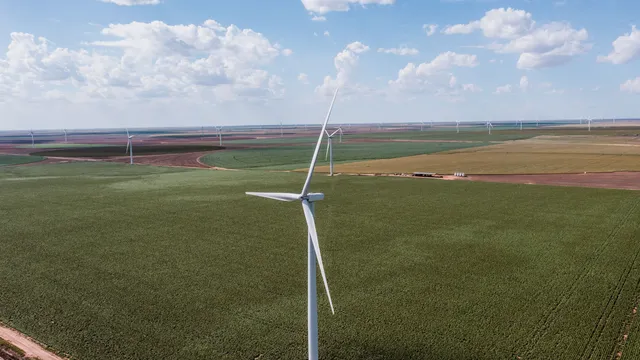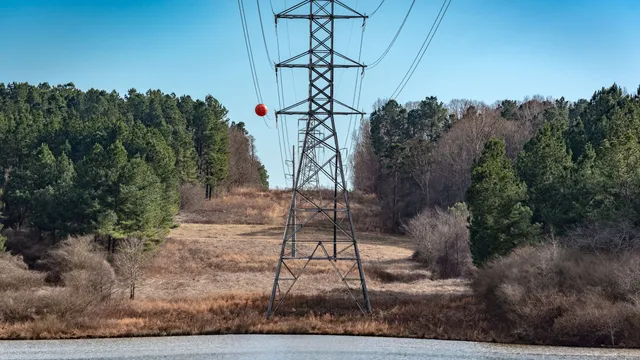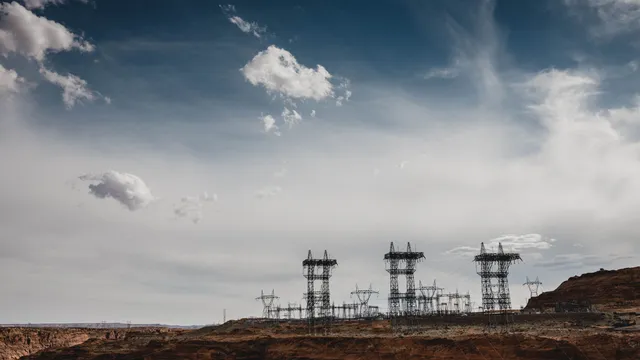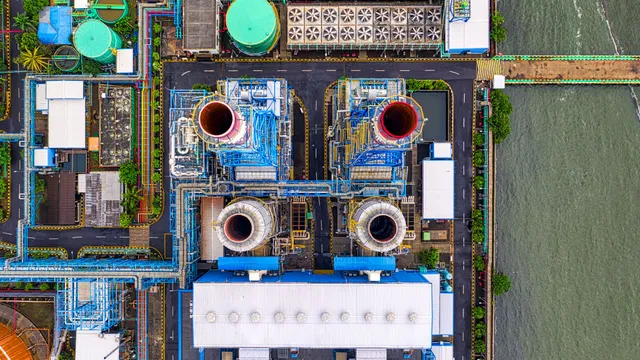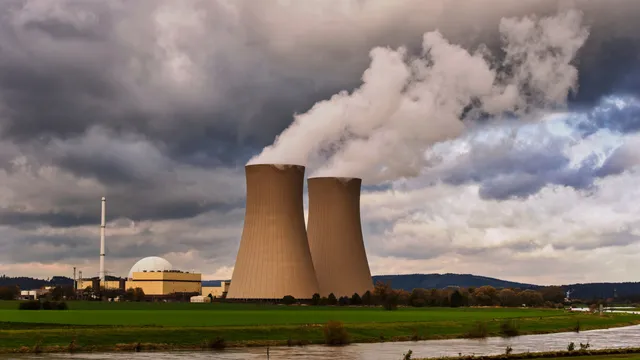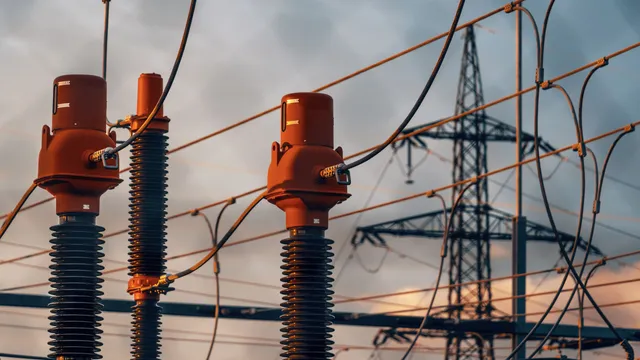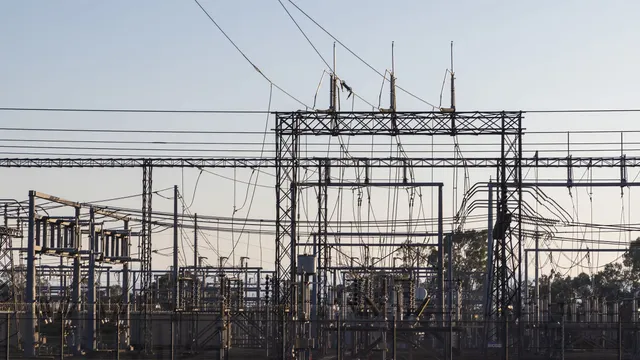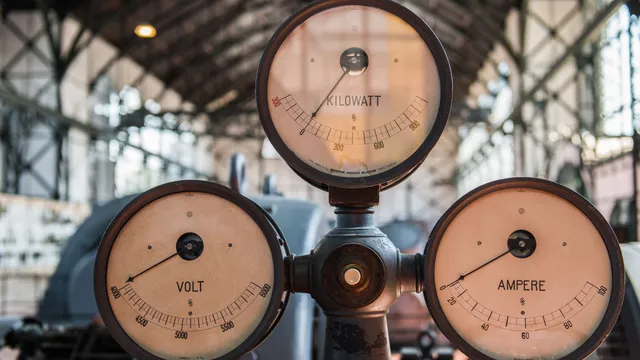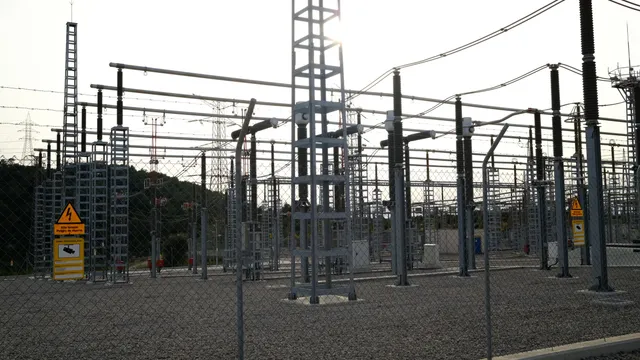
Data center electricity demand is set to double worldwide by 2030. In the US, the scramble for gigawatts is rewriting utility economics, reviving nuclear plants, and jamming interconnection queues.
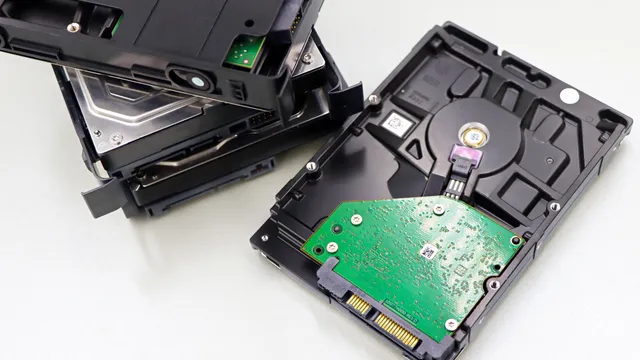
Servers used to be written off after three years. Now hyperscalers stretch them to six while AI chips age out in two. What actually happens when a machine leaves the rack, and where millions of tonnes of hardware go next.
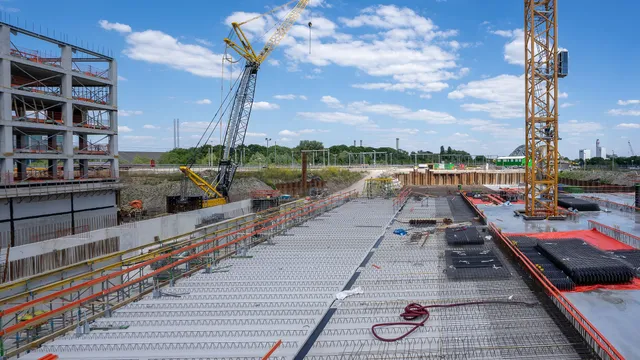
Big Tech's data center spending is heading toward $700 billion in 2026, vacancy in top markets has fallen to fractions of a percent, and 71% of Americans don't want any of it next door. Where the capacity is going, and why.
Every data center brags about its PUE, but the industry average hasn't budged in six years. Here's how the big efficiency metrics actually work, how they get gamed, and what to look for in a company's claims.
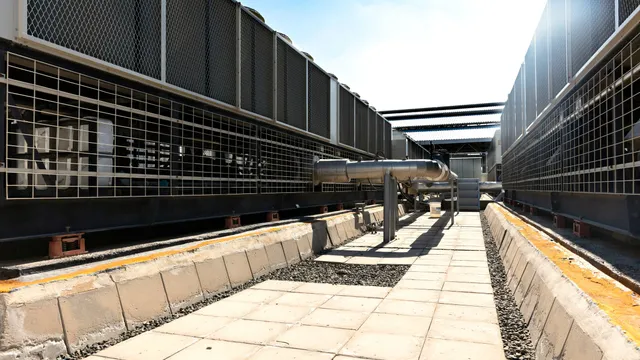
The average server rack still draws under 9 kW. AI racks are heading past 600. Inside the industry's forced march from air conditioning to liquid cooling, and the water politics that come with it.
From Johor's gigawatt pipeline to Stargate UAE and Europe's AI gigafactories, the data center boom has gone worldwide. The new capacity is landing wherever power and policy line up.
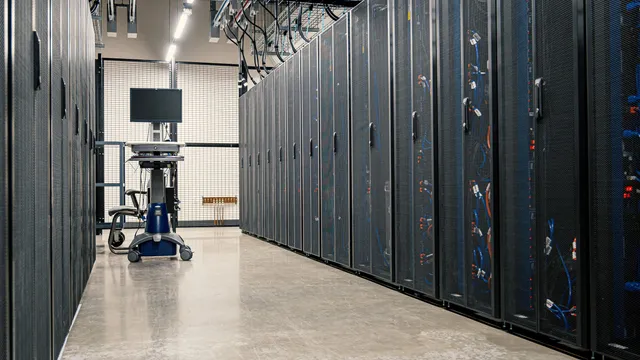
Server halls, diesel farms, mantraps, and rooms where the internet physically connects to itself: a plain-English walk through the buildings behind the cloud.
PJM's capacity auctions have added billions of dollars to household electric bills, and regulators from Columbus to Austin are scrambling to decide who pays for the AI buildout. The honest answer to the question depends on where you live.
Big Tech's cash flows can no longer cover the data center boom, so private credit giants, bond markets, securitization desks, and NVIDIA itself are filling the gap. A tour of the money behind the megawatts, and what breaks if AI demand disappoints.
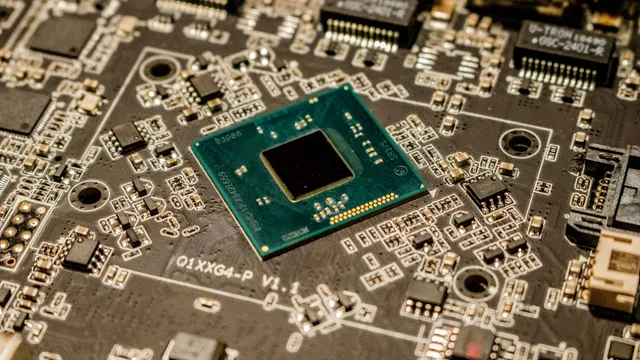
Google, Amazon, Meta, Microsoft, and OpenAI are pouring billions into their own AI accelerators. Custom chips now claim more than a quarter of AI server shipments, even as NVIDIA posts record revenue.
Every watt a server draws leaves the building as heat, and Europe has spent a decade proving it can warm homes and swimming pools. So why does the EU's own data show just 1.8 percent of it gets reused?
Specialist GPU clouds like CoreWeave, Nebius, and Nscale are growing 200 percent a year on hyperscaler mega-deals and chip-backed debt. The open question is what the collateral will be worth when the loans come due.
Facing years-long interconnection queues, AI campuses are building their own gas turbines, fuel cells, and (eventually) reactors. Roughly 82 GW of behind-the-meter capacity has been announced since 2025, and regulators are scrambling to decide who pays for the grid everyone still leans on.
Frontier AI clusters lash hundreds of thousands of GPUs into a single synchronous machine. Inside the NVLink domains, network fabric wars, oceans of fiber, and relentless hardware failures that define training at 100,000-GPU scale.