Nuclear's Comeback: Restarts, Small Reactors, and the Gap Between Deals and Electrons
Hyperscalers have signed close to 10 gigawatts of nuclear deals, and Palisades just loaded fuel. But most of the announced capacity is either re-labeled output from existing plants or reactors that will not run until the 2030s. Here is what will actually deliver before 2030.
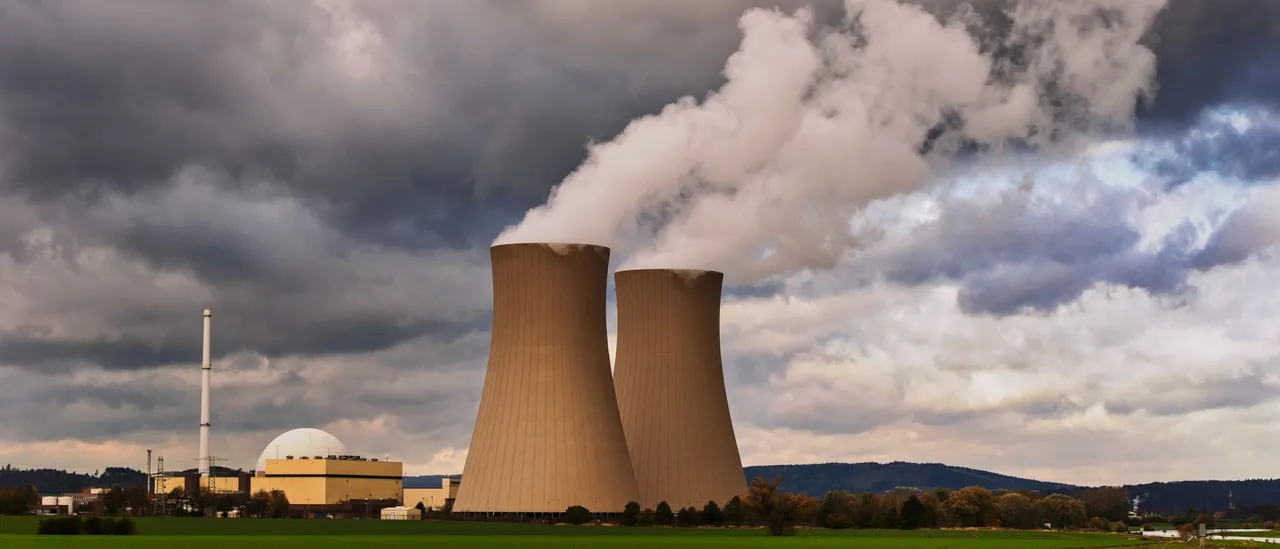
In late August 2026, workers at the Palisades plant on the Lake Michigan shore began lowering 204 fuel assemblies back into a reactor that was supposed to be dead. No American nuclear plant has ever returned from decommissioning. If Holtec International’s schedule holds, it will be generating before the year is out, the first tangible proof that the nuclear revival the AI industry keeps announcing is more than a stack of press releases.
That stack is tall. By Trellis’s count, Amazon, Google, Meta, and Microsoft have signed more than a dozen deals totaling close to 10 gigawatts, and Meta’s January 2026 announcements alone run to 6.6 GW. But announced gigawatts and delivered electrons are different currencies. Sort the deals by when a reactor actually sends new power to the grid and they split cleanly: a trickle before 2030 and, if everything goes right, a flood after it.
The restart wave
Three shuttered reactors are coming back, and they are the only genuinely new nuclear supply the US will see this decade. Palisades, roughly 800 MW, shut down in May 2022. The Nuclear Regulatory Commission approved its return to an operating license in July 2025, backed by a federal loan guarantee of up to $1.52 billion and $150 million from Michigan, according to Michigan Public. The schedule slipped from late 2025 to early 2026 and then again, largely because inspectors found thousands of cracked steam generator tubes that Holtec sleeved rather than replaced. CEO Kris Singh now expects a restart this year, ahead of a March 2027 supply deadline. None of that output is earmarked for a data center; the buyers are rural electric cooperatives.
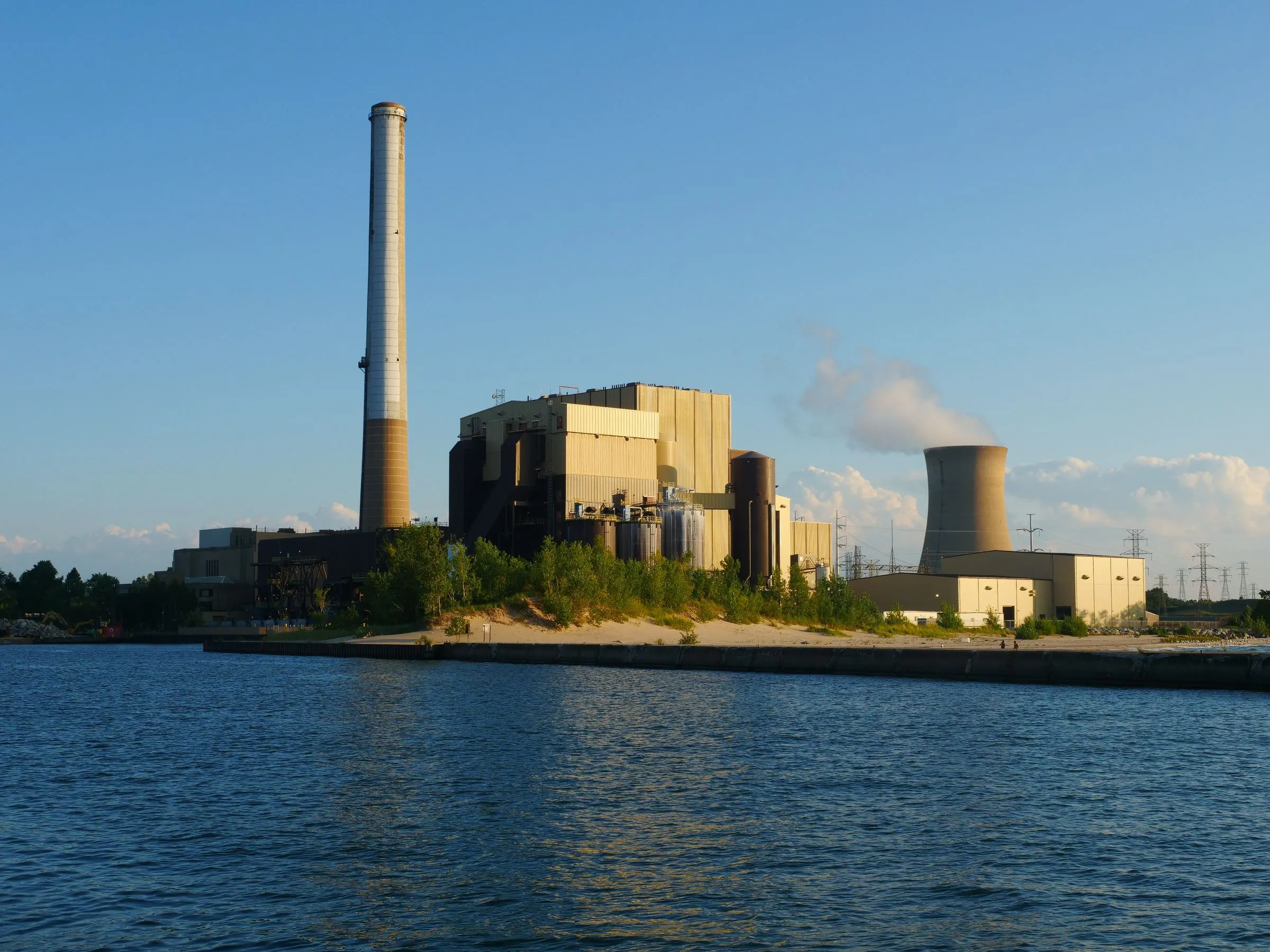
Photo: Bruno Storchi Bergmann / Pexels
The data center restart is Three Mile Island Unit 1, renamed the Crane Clean Energy Center, whose 835 MW Microsoft has contracted for 20 years. POWER put the restart cost at $1.6 billion, and a $1 billion Department of Energy loan closed in November 2025. FERC cleared the transfer of 760 MW of interconnection rights from a retired Philadelphia plant in June 2026, and according to Neutron Bytes the NRC decision on the reactivated license is targeted for May 2027, with fuel load and commercial operation late that year. The harder problem is people: every operator license lapsed in 2019, and roughly 90 candidates are now working through NRC exams.
Third is Duane Arnold in Iowa, a 615 MW reactor NextEra closed in 2020 after a derecho wrecked its cooling towers. Google signed a 25-year power purchase agreement in October 2025; the target is a restart in the first quarter of 2029, and the NRC says its licensing actions will be done before January 2028.
Buying the existing fleet
The bigger numbers come from plants that never closed. Amazon’s 1,920 MW deal with Talen Energy at Susquehanna, expanded in June 2025 and worth roughly $18 billion through 2042, ramps to 840 to 1,200 MW in 2029 and full volume in 2032, per Utility Dive. Meta’s 20-year contract with Constellation takes the entire 1,121 MW output of the Clinton plant in Illinois from June 2027, funding a 30 MW uprate and a license extension.
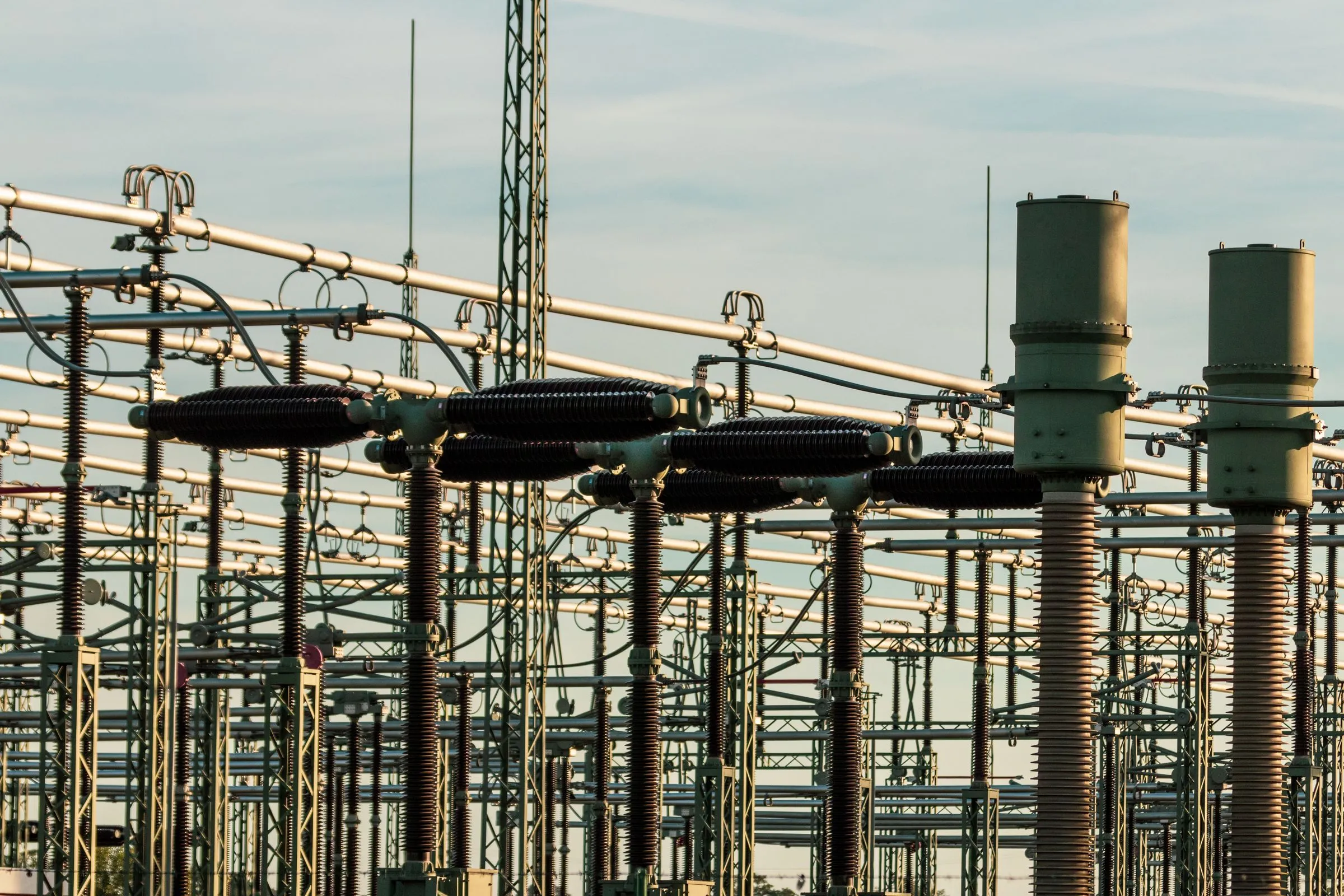
Photo: Mr Dr3igeteilt / Pexels
Meta’s January 2026 package, the result of a request for proposals it launched in late 2024, is the largest of its kind. Utility Dive and POWER report 20-year contracts with Vistra for 2,176 MW from the Beaver Valley, Perry, and Davis-Besse plants plus 433 MW of uprates, with purchases starting in late 2026 and the full 2,609 MW online by 2034, all inside PJM.
These deals give the plants two more decades of revenue instead of retirement. But apart from the uprates they add no new electrons to a grid that, as the AI power crunch described, is already short; the same reactor is simply invoiced to a different customer.
Small reactors, big promises
The rest of Meta’s 6.6 GW is where the timelines stretch. Oklo’s 1.2 GW Aurora campus in Pike County, Ohio is targeted “as early as 2030” for a first phase and 2034 for the full build; TerraPower’s first two Natrium units for Meta, 690 MW combined, are pencilled in for 2032. Neither company holds an NRC license to operate a commercial reactor; Oklo’s Groves test reactor, which reached criticality in Texas on August 5, 2026 after 229 days of construction, runs under Department of Energy authorization instead.
Photo: Collab Media / Pexels
Two advanced reactors are under construction. Kairos Power broke ground on Hermes 2 in Oak Ridge, Tennessee in April 2026, a 50 MW plant TVA will buy on Google’s behalf, due to run by 2030 as the first step toward Google’s 500 MW by 2035. TerraPower received the first NRC construction permit ever issued for a commercial non-light-water reactor on March 4, 2026, after an 18-month review scheduled for 27, and began building the 345 MW Kemmerer plant in Wyoming in April with a 2030 target. Amazon’s flagship, the 320 MW first phase of X-energy’s Cascade project in Washington, has not yet filed for its permit; POWER reports construction by the end of 2029 and operation in the early 2030s. TVA’s 6 GW NuScale program with ENTRA1 was still non-binding, with no power contract, as of July 2026. For fusion, Helion is building a 50 MW plant to supply Microsoft by 2028 and Google has bought 200 MW from Commonwealth Fusion Systems’ planned Virginia plant for the early 2030s; both are bets, not schedules.
What the regulators changed
The four executive orders President Trump signed on May 23, 2025 set a goal of 400 GW of US nuclear capacity by 2050 and ordered the NRC to decide new reactor applications within 18 months and license renewals within 12, with final rules due by November 23, 2026. POWER reported in May that the agency has 33 rulemakings in motion, has finalized Part 53, its technology-neutral licensing framework, and is creating an Office of Advanced Reactors. Chairman Ho Nieh called it “the most comprehensive redesign of our regulatory system in nearly 50 years.”
Reviews really are faster; TerraPower’s permit landed ahead of schedule. What the orders cannot do is compress construction: a permit still precedes a multi-year build, a first-of-a-kind supply chain, and in several designs a fuel not yet made at commercial scale.
The 2030 math
Add up the new nuclear supply that can plausibly reach the grid before 2030 and it is modest: Palisades, Crane, and Duane Arnold together are about 2.25 GW, plus Hermes 2 and Kemmerer if their 2030 dates hold, plus a few hundred megawatts of uprates. Deloitte projects US data center demand could reach 176 GW by 2035, and Goldman Sachs estimates that 85 to 90 GW of new nuclear would be needed to meet all data center growth by 2030, with well under a tenth of that available.
“Peer under the hood however, and it becomes evident that these press releases are all show, with little substance.”
That is Molly Langabeer and M.V. Ramana in the Bulletin of the Atomic Scientists in July 2026, arguing the deals are greenwashing for campuses that will really run on gas, and citing an estimated $9.4 billion cost for a single 345 MW Natrium plant. The industry’s rebuttal is that the restarts, the uprates, and two reactors in the ground are real. Both can be true. For the rest of this decade the honest accounting is the one in Bring Your Own Power Plant: nuclear is the exit strategy from gas, not a substitute for it. The 2030s are when the promises come due.
More in Power & Energy
All Power & Energy →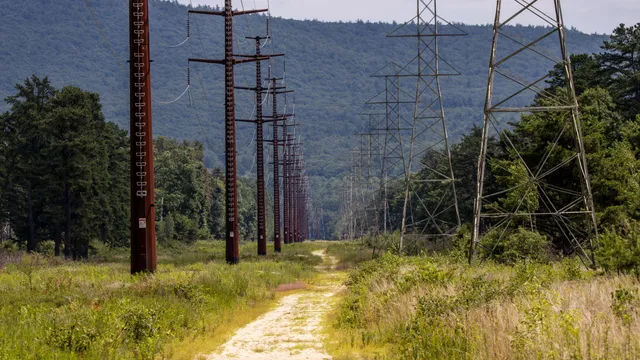
The Backstop That Stalled: PJM's One-Time Auction for Data Center Power Runs Into FERC
PJM was supposed to open a six-week window on September 30 to buy 6.8 GW of new power plants for data centers on 15-year contracts. FERC approved the price cap, threw out the cost allocation, called the filing a mess, and the largest grid operator in the country put the whole thing on hold.
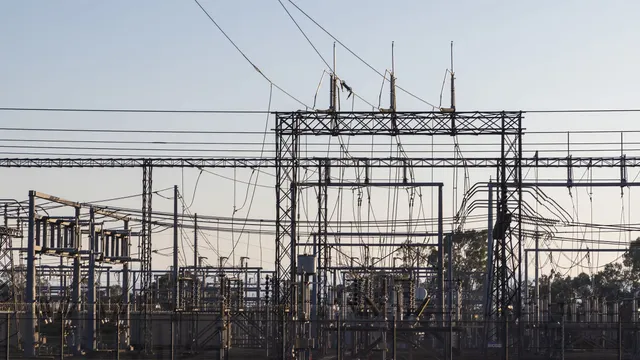
The AI Power Crunch: How Data Centers Are Straining the Grid
Data center electricity demand is set to double worldwide by 2030. In the US, the scramble for gigawatts is rewriting utility economics, reviving nuclear plants, and jamming interconnection queues.
Is AI Raising Your Electric Bill? The Ratepayer Economics of the Data Center Boom
PJM's capacity auctions have added billions of dollars to household electric bills, and regulators from Columbus to Austin are scrambling to decide who pays for the AI buildout. The honest answer to the question depends on where you live.