The AI Power Crunch: How Data Centers Are Straining the Grid
Data center electricity demand is set to double worldwide by 2030. In the US, the scramble for gigawatts is rewriting utility economics, reviving nuclear plants, and jamming interconnection queues.
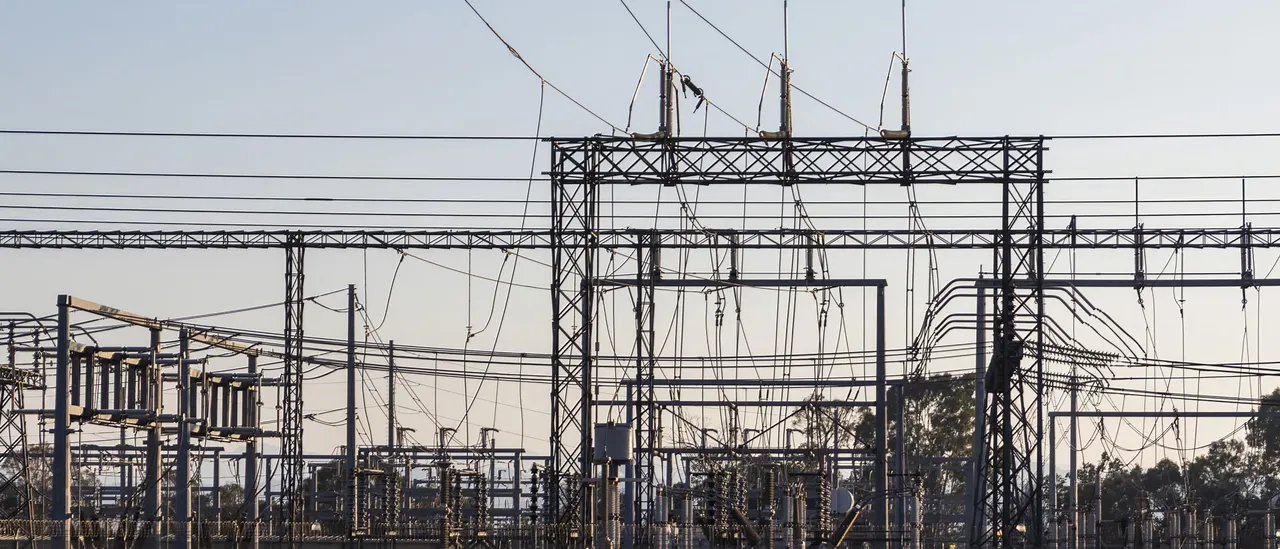
For most of the internet’s history, data centers were a rounding error on the grid. That era is over. Global data center electricity consumption reached roughly 485 terawatt-hours in 2025, up 17 percent in a single year, and the International Energy Agency projects it will nearly double to about 950 TWh by 2030, around 3 percent of all electricity used on Earth.
In the United States, the picture is sharper still. Lawrence Berkeley National Laboratory pegs US data center consumption at about 192 TWh in 2024, or 4.7 percent of all American electricity, and projects a range of 9.5 to 15.3 percent by 2030. EPRI’s 2026 outlook runs even hotter, with scenarios reaching 17 percent. Whichever curve proves right, the direction is the same: a technology sector that used to sip power now shapes national energy policy.
Why AI changed the math
The culprit is not streaming video or cloud storage. It’s the density of AI compute. Electricity use by AI-optimized data centers grew about 50 percent in 2025, three times the sector’s overall rate, and the IEA expects it to more than quadruple by 2030.
The hardware roadmap explains why. NVIDIA’s current GB300 NVL72 systems draw 132–142 kilowatts per rack: a single cabinet consuming what a dozen conventional server racks once did. The Rubin Ultra “Kyber” racks slated for late 2027 are specified at roughly 600 kW each, about the load of 500 US homes standing in a footprint the size of a refrigerator.
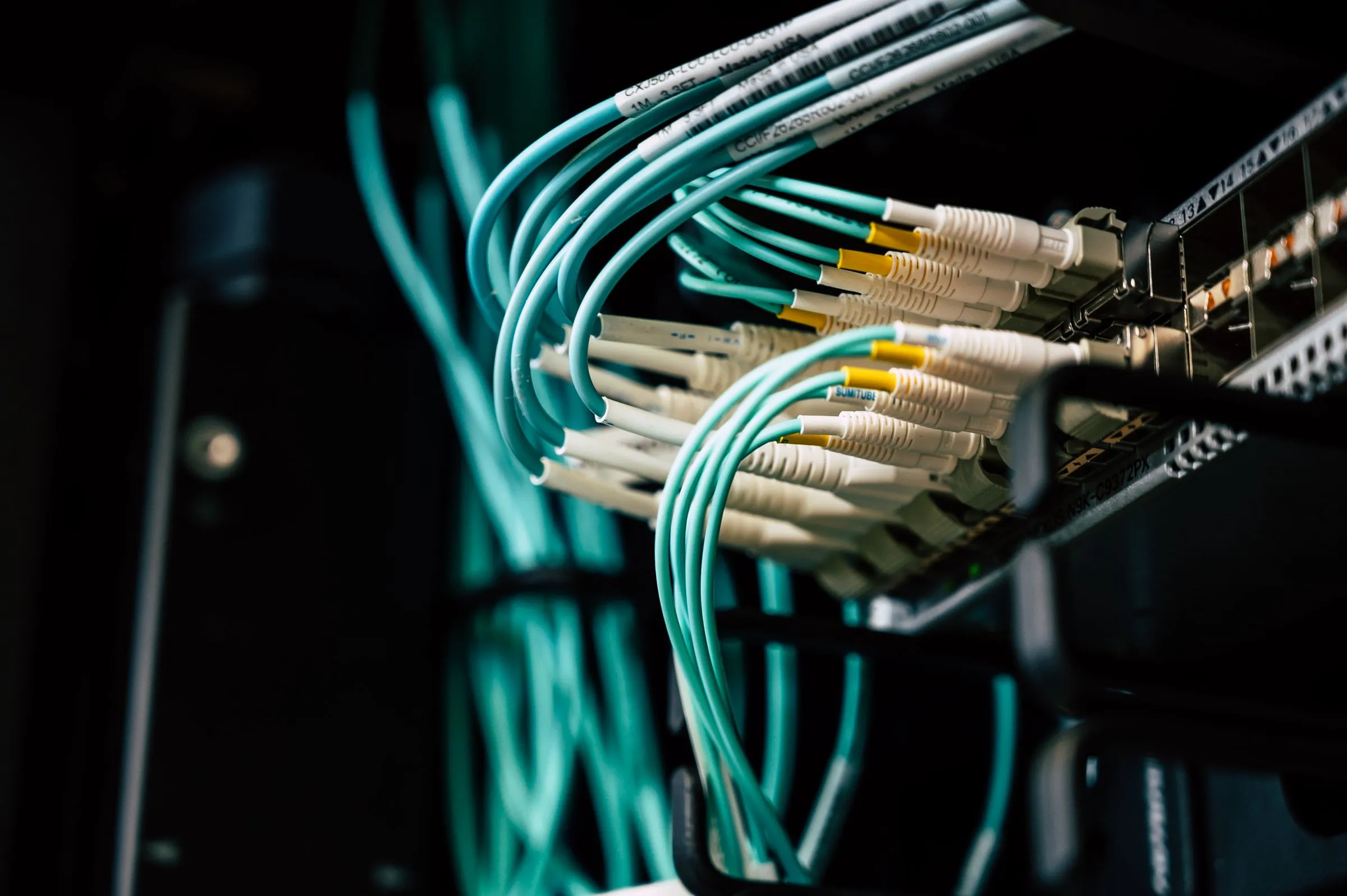
Photo: Brett Sayles / Pexels
Then there are the campuses. OpenAI’s Stargate site in Abilene, Texas is building toward 1.2 gigawatts. xAI’s Colossus 2 in Memphis crossed the gigawatt mark in early 2026. Meta’s Hyperion campus in Louisiana is designed for 5 GW, comparable to the output of five large nuclear reactors, dedicated to a single company’s AI ambitions.
The grid pushes back
The US grid was not built for customers who show up asking for a gigawatt. The national interconnection queue backlog now stands near 2,600 GW of proposed projects, and data centers energized in 2025 in PJM, the grid operator covering 13 states from Virginia to Illinois, took more than seven years on average from application to power-on.
Scarcity has a price. PJM’s capacity auction cleared at $28.92 per megawatt-day for 2024/25; two auctions later it hit $329.17, more than a tenfold increase, and the auction after that cleared higher still. PJM’s independent market monitor attributed 63 percent of the previous cycle’s price jump, about $9.3 billion, to data center demand. Those costs flow to every ratepayer in the region, which is why data center growth has become a kitchen-table utility-bill issue.
Dominion Energy, the utility serving Northern Virginia’s “Data Center Alley,” reported 53.8 GW of contracted data center capacity as of July 2026, more than double the peak demand of its entire existing system.
Some jurisdictions have simply said no, at least for a while. Dublin operated under a de facto connection moratorium from 2021 until December 2025, and Ireland’s new rules require incoming data centers to match at least 80 percent of their demand with new Irish renewables, reasonable caution in a country where data centers already consume about 22 percent of the electricity. The Netherlands bans hyperscale facilities across most of its territory, and Amsterdam stopped permitting new data centers entirely in April 2025.
The scramble for electrons
Faced with queues they can’t jump and utilities they can’t wait for, the hyperscalers have started procuring power like sovereign states.
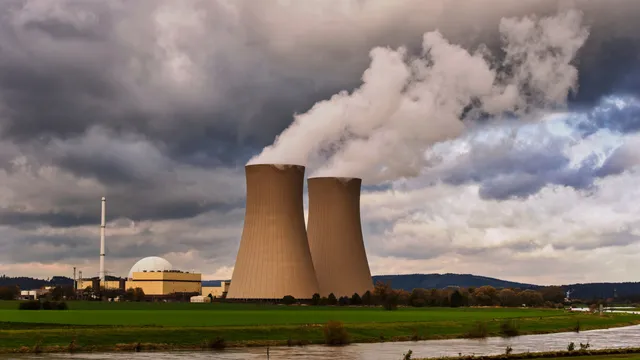
Nuclear is back. Microsoft’s 20-year, 835 MW deal with Constellation is funding the restart of Three Mile Island Unit 1, now tracking ahead of schedule for 2027. Amazon contracted 1.92 GW from the Susquehanna plant and invested $700 million in X-energy’s small modular reactors. Meta signed a 20-year, 1,121 MW deal for the Clinton plant inside a nuclear program that could reach 6.6 GW. Google ordered a fleet of Kairos Power SMRs. A technology that spent decades unbuildable in America is being revived by search engines and chatbots.
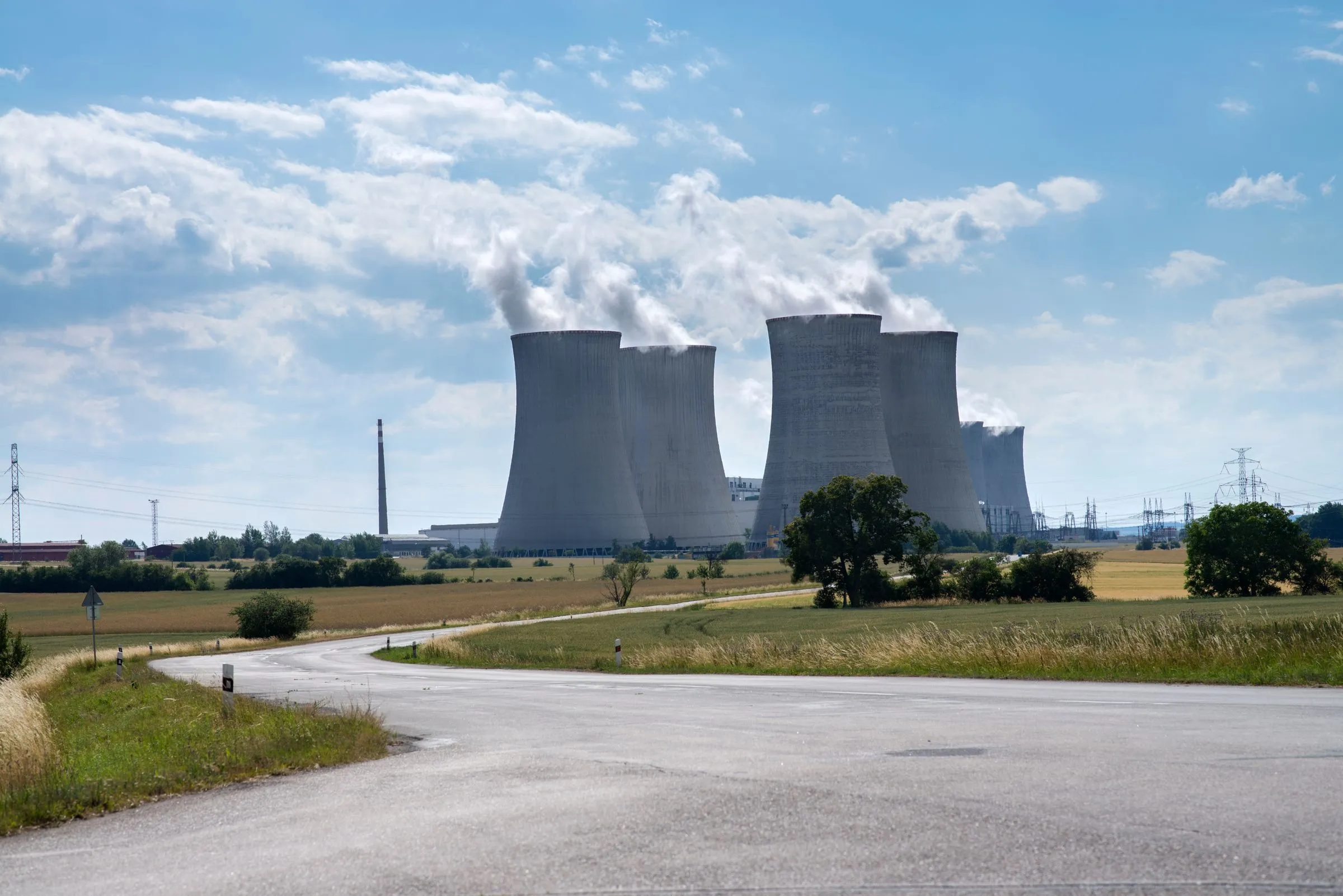
Photo: Vladimír Sládek / Pexels
Gas is faster. Roughly 2 GW of behind-the-meter generation (power plants built on-site, bypassing the grid entirely) was online by mid-2026, with xAI’s Memphis turbines accounting for about 1.5 GW of it. Some 82 GW of behind-the-meter projects have been announced since early 2025, and GE Vernova’s gas turbine order book exceeds $30 billion, with production slots sold out through 2029.
Renewables still lead on volume. Amazon, Meta, Google, and Microsoft signed 49 percent of all global corporate clean-power purchase agreements in 2025, with Meta and Amazon each above 10 GW, even as the overall market declined for the first time in eight years.
What to watch
Three numbers will tell the story from here. First, the 2030 forecasts themselves: the gap between LBNL’s low case (9.5 percent of US electricity) and EPRI’s high case (17 percent) is the difference between a manageable buildout and a national emergency. Second, capacity prices in PJM and other constrained markets, the clearest early signal of who pays for AI’s appetite. And third, the delivery dates on all that promised generation: restarted reactors, SMR fleets, gas turbines back-ordered into 2029. The demand is arriving on schedule. The supply, so far, is not.
More in Power & Energy
All Power & Energy →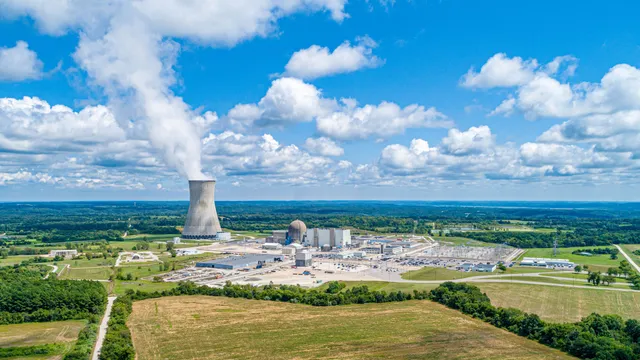
Same Reactors, More Megawatts: Google and Amazon Pay Constellation to Squeeze 1.1 GW Out of PJM's Nuclear Fleet
In six days, Amazon and Google signed 20-year contracts that fund roughly 1,080 MW of nuclear uprates at seven Constellation sites in Maryland, Illinois, Pennsylvania and New Jersey, backed by more than $7.3 billion of plant investment. Unlike most hyperscaler nuclear deals, these add electrons that do not exist today, arriving between 2028 and 2032 against a PJM shortfall of 6.8 GW that lands in 2028. Three days after the Google announcement, FERC threw out the PJM rule the deal was written to satisfy.
The Backstop That Stalled: PJM's One-Time Auction for Data Center Power Runs Into FERC
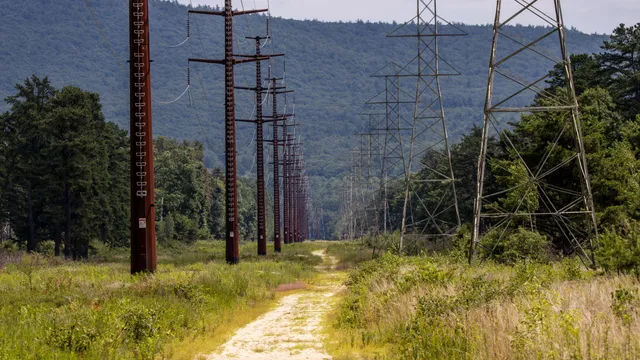
PJM was supposed to open a six-week window on September 30 to buy 6.8 GW of new power plants for data centers on 15-year contracts. FERC approved the price cap, threw out the cost allocation, called the filing a mess, and the largest grid operator in the country put the whole thing on hold.
Nuclear's Comeback: Restarts, Small Reactors, and the Gap Between Deals and Electrons
Hyperscalers have signed close to 10 gigawatts of nuclear deals, and Palisades just loaded fuel. But most of the announced capacity is either re-labeled output from existing plants or reactors that will not run until the 2030s. Here is what will actually deliver before 2030.