Wisconsin's Data Center Map: Every Major Campus, Proposal, and Rejection in One Place
Three hyperscale campuses are under construction, a dozen more have been pitched, and small towns from the Driftless Area to the Chippewa Valley are voting them down. A county-by-county guide to Wisconsin's data center boom as of September 2026, and the power and politics behind it.
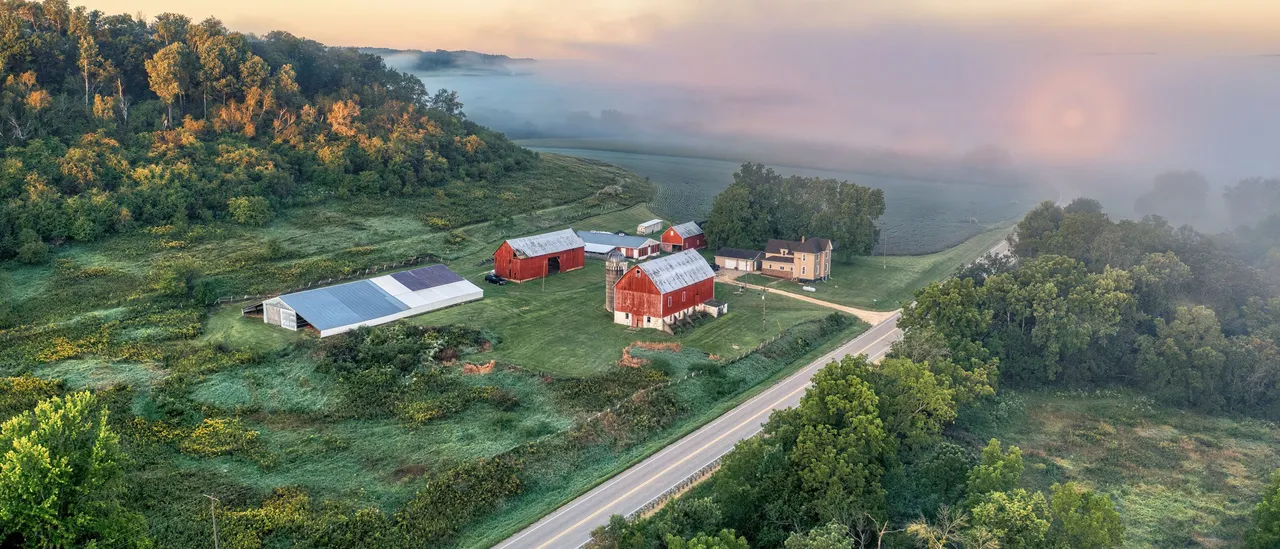
Two years ago Wisconsin had no hyperscale data centers. As of September 2026 it has one running, two under construction, and a trail of proposals from the Illinois line to the Mississippi bluffs, most surfaced through leaked emails and packed town halls. Wisconsin Watch counted seven major projects worth more than $57 billion by February; since then, the refusals have multiplied faster than the shovels.
The Public Service Commission puts the stakes in one number: three campuses, in Mount Pleasant, Port Washington, and Beaver Dam, account for 72 percent of the peak load growth expected to push Wisconsin’s demand from 14.2 gigawatts today to more than 20 by 2032. For a row-by-row ledger of every facility, proposal, and rejection in the state, see Every Data Center in Wisconsin.
The southeast corridor
Racine and Kenosha counties along Interstate 94 are the proven ground. Microsoft’s Fairwater campus in Mount Pleasant was declared operational on June 23, 2026, with a second building due in 2028 and 15 more approved in January. Seven miles south, the company holds 240 acres in the city of Kenosha, bought for $34.8 million in January 2025, where a four-building, million-square-foot campus is drawn but unpermitted while residents press for a moratorium. Mount Pleasant is in Racine County, Kenosha is in Kenosha County, and the village of Pleasant Prairie, often confused with both, is a third place entirely.
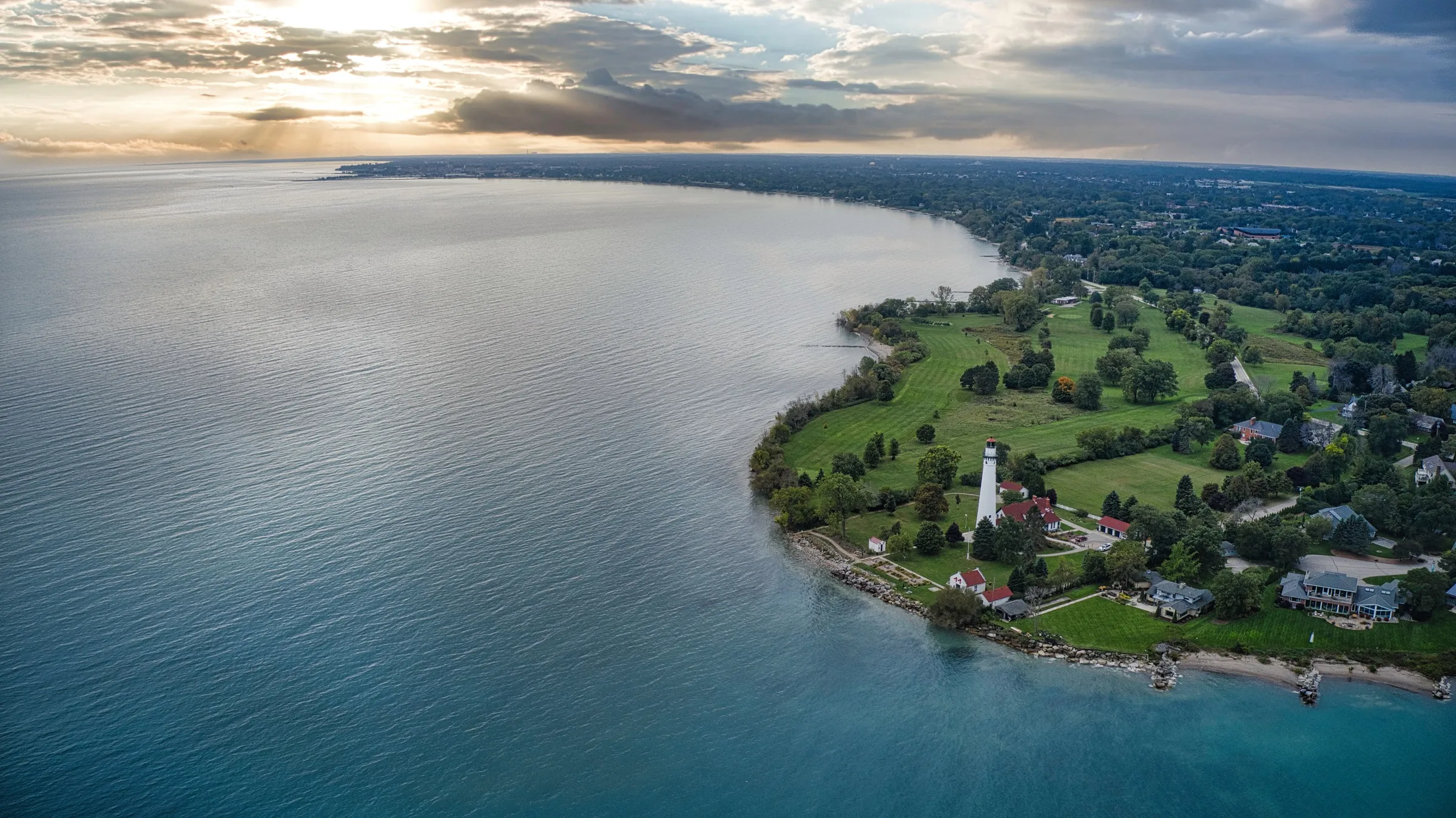
Photo: Walter Leininger / Pexels
The corridor also produced the state’s first defeat. In October 2025 Microsoft withdrew a 244-acre proposal in the village of Caledonia after more than 2,000 residents signed a petition, telling WPR it would look for another Racine County site. Pleasant Prairie’s own entry is older and smaller: a 12-acre, 35-megawatt campus announced by local operator OFFSITE in 2019.
North to Port Washington
Ozaukee County hosts the largest project in state history. Vantage Data Centers’ Lighthouse campus, the Stargate site for OpenAI and Oracle, is a $15 billion first phase of four buildings and 902 megawatts on 672 acres west of I-43, with a concept plan running to 1,900 acres and 3.5 gigawatts. Steel is up on all four buildings, with first capacity targeted for late 2027. The obstacles are off-site: on August 7 the PSC forced American Transmission Co. to restart its application for a $1.3 billion-plus package of five substations and a new high-voltage line, on top of a failed mayoral recall and a since-dropped Oracle lawsuit over credit rules.
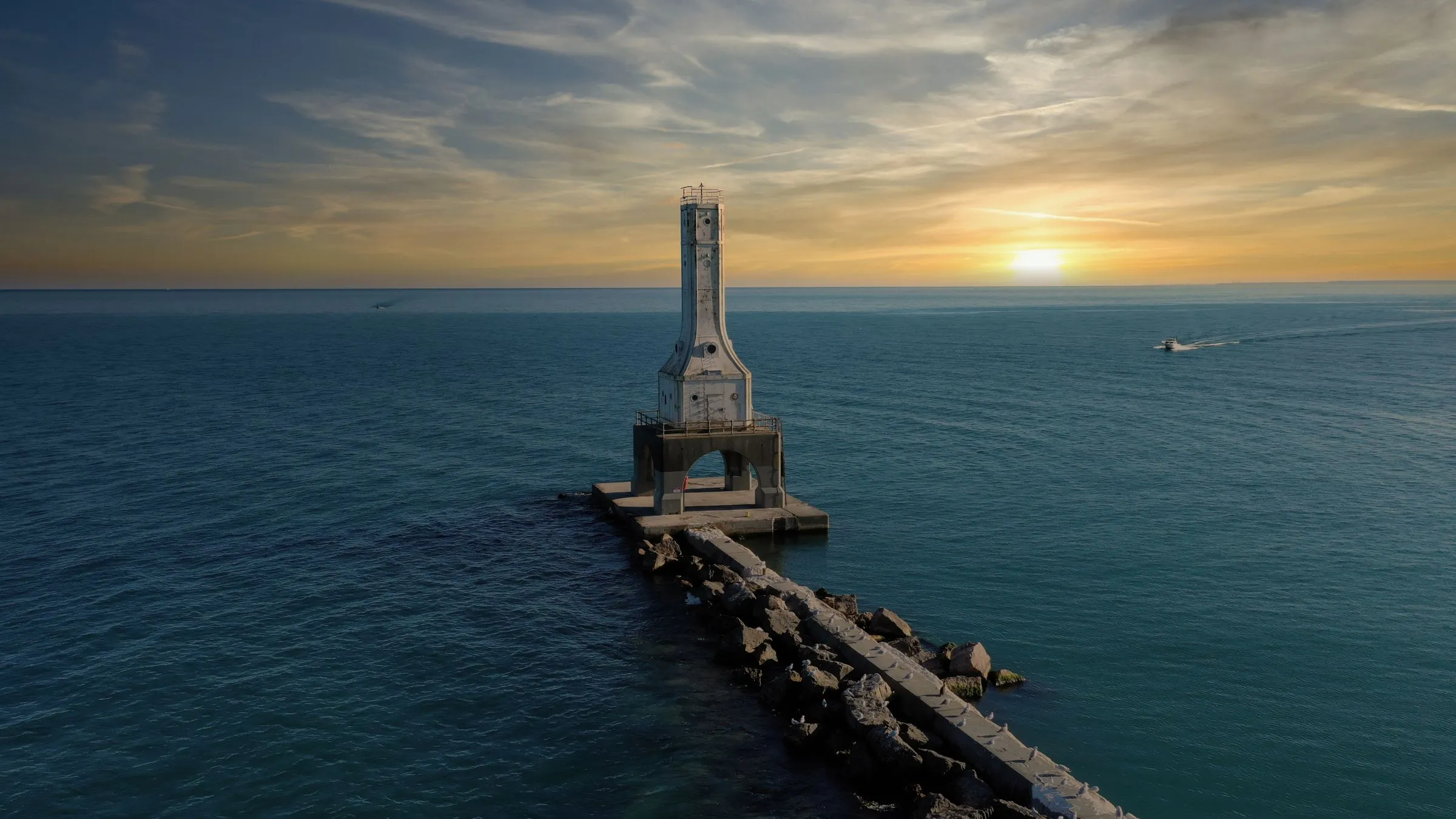
Photo: Walter Leininger / Pexels
Beaver Dam and the Meta question
Dodge County is the quiet third leg. Meta announced its Beaver Dam campus on November 12, 2025: more than $1 billion, over 700,000 square feet, 100-plus permanent jobs, online in 2027, with 570 acres of wetland and prairie restored alongside it. The load is 220 megawatts under a 10-year contract with Alliant Energy, enough, WisBusiness noted, to power about 165,000 homes in a city with 7,831 housing units.
Regulators approved Alliant’s rates in May 2026 with conditions, including standardized rates for any future customer above 100 megawatts and tougher early-termination charges. PSC chair Summer Strand scolded the parties over redactions, saying “this lack of transparency is hurting not helping,” per WPR. Meta may not stop at one. In March the Town of Beloit in Rock County disclosed a pre-development agreement, signed under NDA the previous July with an entity called Cambrin LLC, for a 430-acre project code-named “Project Cornmaze”; Data Center Dynamics reported it as a Meta deal, and developer Panattoni took over in April, per WUWM. The town board banned staff NDAs in June.
Madison’s turn, and the towns that said no
Dane County was supposed to be next. QTS Data Centers negotiated with the village of DeForest and Alliant for ten months on a $12 billion, 1,600-acre campus in the Town of Vienna, offering a $50 million community fund, a guaranteed $1.2 billion assessed value, and a 110 percent buyback for nearby homes. When Wisconsin Watch published the emails in January 2026, the deal collapsed within weeks and QTS took the project to Iowa.

Photo: Quang Vuong / Pexels
“The politics got too loud too fast.”
That was DeForest administrator Bill Chang’s autopsy to Urban Milwaukee in August. Madison passed a one-year moratorium in January; Dane County followed with an 18-month pause in June. The pattern repeated at smaller scale. The Town of Cassville, in Grant County’s Driftless Area, voted 44 to 0 in April to ban data centers for two years, ending a $1 billion, 500-acre, 400-to-500-megawatt proposal from a developer nobody would name. Menomonie put a $1.6 billion, 320-acre project by Balloonist LLC on hold, elected an opponent as mayor in April, and is writing a dedicated zoning district around it. Janesville let its letter of intent with Viridian Acquisitions for an $8 billion, up-to-800-megawatt campus on the old GM plant expire in June, months after placing a $450 million project-approval referendum on the November ballot. Wisconsin Rapids has a stalled permit application from PCH WI Holdings for 209 acres of its former paper mill. By midsummer, Wisconsin Watch counted more than two dozen moratoriums statewide, including nine counties.
The power behind all of it
Every campus above is a utility project first. To serve them, We Energies plans what spokesman Brendan Conway described as $12.5 billion in solar, wind, and batteries “backed up by state-of-the-art natural gas generation.” The gas is the fight. Beyond the 1,100-megawatt Oak Creek plant and 128 megawatts in Paris approved in 2025, Invenergy has applied to build the 1,186-megawatt Red Oak Ridge plant in Paris and the 324-megawatt Foundry Ridge plant, together $2.26 billion, which We Energies would then buy; Red Oak Ridge alone is priced at $1.8 billion. A UW-Madison study cited by Utility Dive put the plants’ lifetime air-quality damages above $1 billion.
The cost rules were settled on April 24, 2026, when the PSC rewrote We Energies’ Very Large Customer tariff: a 15-year minimum term, eligibility lowered from 500 to 100 megawatts, and a requirement that data centers pay 100 percent of the generation built for them. Microsoft signed its 15-year contract on July 16, then in August protested to federal regulators over ATC’s plan to bill it more than $500 million for Mount Pleasant transmission upgrades. Utility, regulator, and customer all say ratepayers will be held harmless; they do not yet agree on how.
What the state gets
The bargain dates to the 2023 state budget, when a Republican Legislature and Democratic Governor Tony Evers exempted data center construction and equipment from sales tax with no sunset. The Legislative Fiscal Bureau now estimates that break at about $1.5 billion during construction and $369 million a year afterward. UW-Madison economist Ross Milton told WPR it “seems quite likely” the projects would not be here without it.
Voters have decided faster than the Legislature, which passed no data center bill last session. A Marquette Law School poll on July 22 found 76 percent of Wisconsin voters believe data centers’ costs outweigh their benefits, up from 55 percent last October. Republican Tom Tiffany is running seven-figure ads calling his opponent “Data Center David Crowley” and promising to end the exemption; Crowley, who won the August 11 Democratic primary by less than half a point, says the state “shouldn’t be subsidizing any data centers to the tune of $1.5 billion” and wants clean-energy and labor strings attached. Whoever wins inherits the map above: three campuses under construction, two of which, Mount Pleasant and Port Washington, are expected to need 3.9 gigawatts, more than all the homes in the state combined use, according to Wisconsin Watch, and a dozen towns that have decided they would rather not be the fourth.
More in Industry Growth
All Industry Growth →
Seven Signatures in Sacramento: What California's New Data Center Laws Actually Require
Governor Newsom signed a package of seven data center bills on September 21 that ends CEQA exemptions, orders the CPUC to write large-load tariffs, and makes water and energy disclosure a condition of permits. Here is what each law says, who fought it, and what it means for the projects already in the queue.

The Judge, the Desert and the 330-Megawatt Data Center: California's Environmental Law Catches Up With AI
A tentative ruling in Imperial County would push the largest data center ever proposed in California through a full environmental impact report, a year or more of delay for a project that would draw more electricity than the entire county. It also explains why the AI buildout has mostly skipped the state.
The Year the Neighbors Said No: Inside America's Data Center Backlash
In 2026, local opposition blocked or delayed $130 billion of data centers in a single quarter, three-quarters of Americans now oppose one nearby, and governors in both parties are pausing permits. A scoreboard of what the revolt has actually changed, and what it has not.