Microsoft's Other Wisconsin Bet: 240 Quiet Acres in Kenosha County
While Microsoft's Fairwater campus in Mount Pleasant grabs headlines as the world's most powerful AI data center, the company's next Wisconsin project sits seven miles south: 240 acres in Kenosha County, a terminated NDA, and a community demanding a vote.
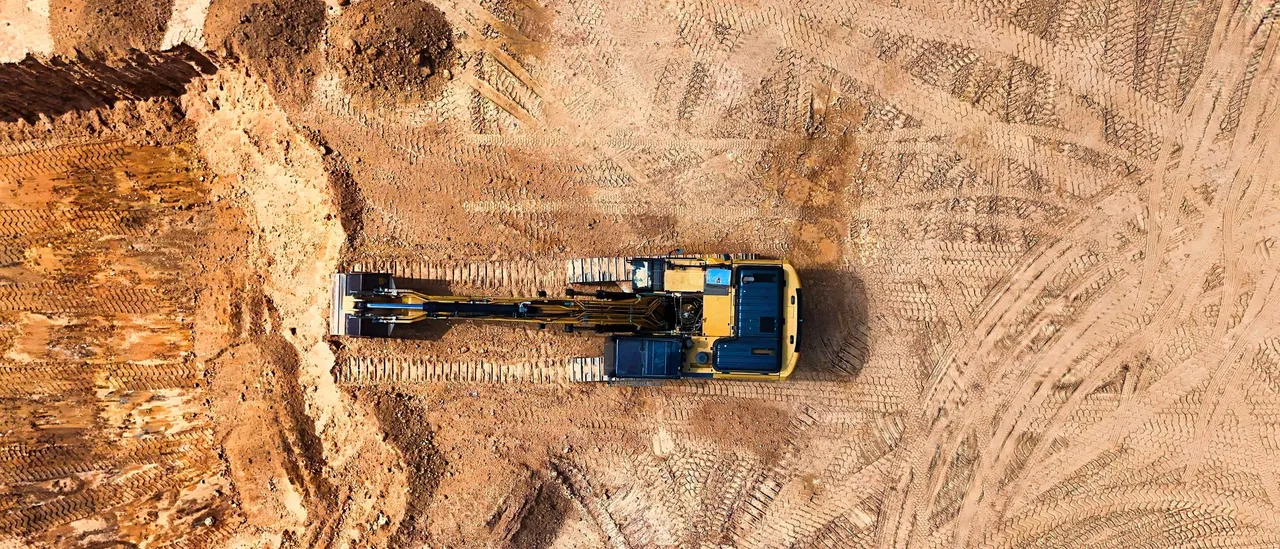
On January 27, 2025, the city of Kenosha and the state of Wisconsin announced that Microsoft had bought roughly 240 acres of farmland just northwest of the Interstate 94 and Highway 142 interchange, at the corner of Burlington Road and 136th Avenue. BizTimes reported the price: $34.8 million, paid to private landowners for parcels the city had quietly annexed and rezoned weeks earlier. Mayor David Bogdala called it a “transformative moment” for Kenosha.
Nineteen months later the site is still farmland, no building permits have been issued, and the loudest voices at Kenosha Common Council meetings belong to residents demanding a moratorium, or a referendum, before a single shovel turns. What happened in between is a compressed version of the entire American data center story: a secret land deal, an operational mega-campus next door that started humming, and a community that decided it wanted a say after all.
What Microsoft bought, and what it says it will build
The plans on file with the city describe a campus of about 1 million square feet: four single-story data center buildings of 250,000 square feet each, plus a utility substation, according to the Kenosha Area Business Alliance. The groundwork was laid before the public knew Microsoft was the buyer: the Plan Commission approved annexing the land in November 2024, the Common Council rezoned it in December, and the sale closed on January 24, 2025, per BizTimes.
The employment math is modest: KABA projected 10 to 20 employees per building, roughly 40 to 80 permanent jobs, with technical positions paying $80,000 to $100,000. The bigger prize for local officials is tax base: data centers are enormously valuable structures that demand little in schools or services.
Getting the Wisconsin geography straight
Southeastern Wisconsin’s data center map has become genuinely confusing, and the names do not help. Mount Pleasant, in Racine County, is the site of Microsoft’s flagship Fairwater campus, built on land originally assembled for Foxconn’s famously unfulfilled LCD factory. The new Microsoft site sits about seven to eight miles southwest of it, across the county line, in the city of Kenosha in Kenosha County. And the village of Pleasant Prairie, a third community just south of Kenosha proper, has its own data center pedigree: local operator OFFSITE announced a hyperscale campus in Pleasant Prairie’s Prairie Highlands Corporate Park back in 2019, part of the same I-94 corridor logic that later attracted Microsoft.
Same interstate, three municipalities, two counties, one increasingly crowded power grid.
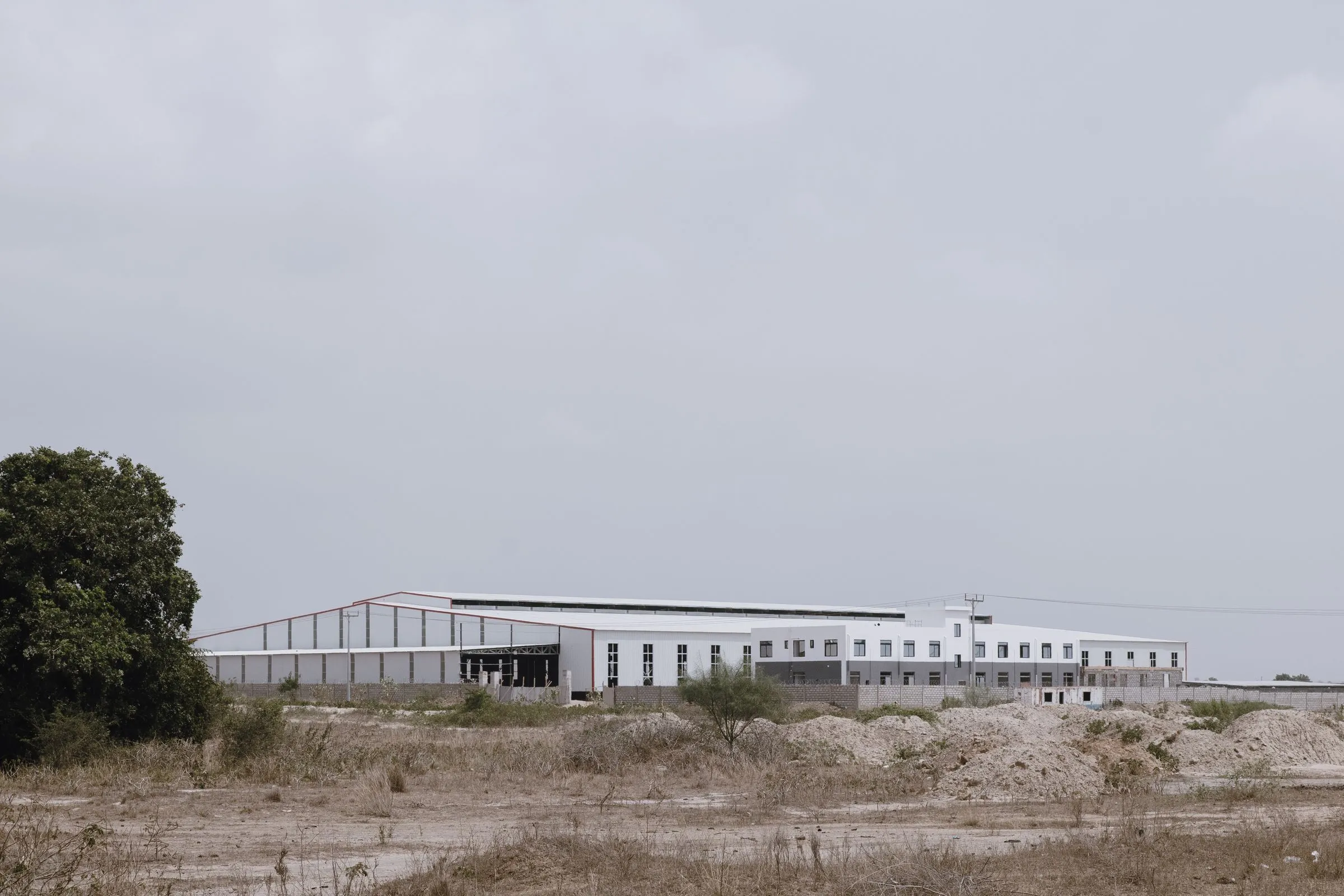
Photo: Andy Coffie / Pexels
The Fairwater shadow
Everything about the Kenosha project is read through what happened up the road. Microsoft announced Mount Pleasant at $3.3 billion in 2024, added $4 billion for a second facility in 2025, and in September 2025 declared the campus would house “the world’s most powerful AI datacenter”: hundreds of thousands of NVIDIA GPUs linked by enough fiber to wrap the planet four times, per the company. The first Fairwater facility was declared fully operational on June 23, 2026, ahead of schedule, after nearly 10,000 construction workers passed through the site; it employs about 550 people full time, headed for roughly 800 when the second building opens in 2028, per WTMJ and Microsoft.
The company is not stopping there. In January 2026, Mount Pleasant’s village board unanimously approved site plans for 15 additional data center buildings across two new campuses totaling more than 1,300 acres, a proposal Urban Milwaukee valued at over $13 billion on top of the $7 billion-plus already committed. At full buildout the new campuses alone would draw about 2 gigawatts of power. By late 2025 Microsoft owned 2,005 acres in Mount Pleasant, per Spectrum News.
| Kenosha campus (proposed) | Mount Pleasant (Fairwater) | |
|---|---|---|
| County | Kenosha | Racine |
| Land | ~240 acres, bought January 2025 for $34.8M | 2,005 acres assembled since 2023 |
| Announced investment | Not yet disclosed | $7B+ committed, $13B+ more proposed |
| Status, August 2026 | Site plan phase, no building permits | First facility operational, second due 2028, 15 more buildings approved |
| Permanent jobs | 40-80 projected | ~550 today, ~800 planned |
The NDA and the backlash
In May 2024, months before the annexation votes, Kenosha signed a non-disclosure agreement with Microsoft that kept project details out of public view. Microsoft terminated that NDA on June 22, 2026, according to the city, and the information vacuum it left behind has defined the politics since. “Lack of transparency is one of the biggest issues for us,” organizer Sage Holloway of the group Kenoshans Unite Against Microsoft Data Center told Wisconsin Public Radio in August 2026.
The group packed a standing-room-only Common Council meeting in August, pressing for a moratorium like those adopted or debated in Madison, Dane County, and other Wisconsin communities, and for a referendum on future data center development. Their fears are not hypothetical. In July 2026, three residents of nearby Sturtevant filed a class action against Microsoft over a persistent low-frequency hum from Fairwater’s cooling fans, alleging roughly 1,000 people within about a mile and a half are affected by a hum so low-pitched that standard noise-ordinance meters barely register it. Microsoft says the facility meets local noise limits but acknowledges the impact on neighbors. Precedent cuts both ways: Microsoft scrapped a proposed 244-acre project in Caledonia after community opposition, per Urban Milwaukee.
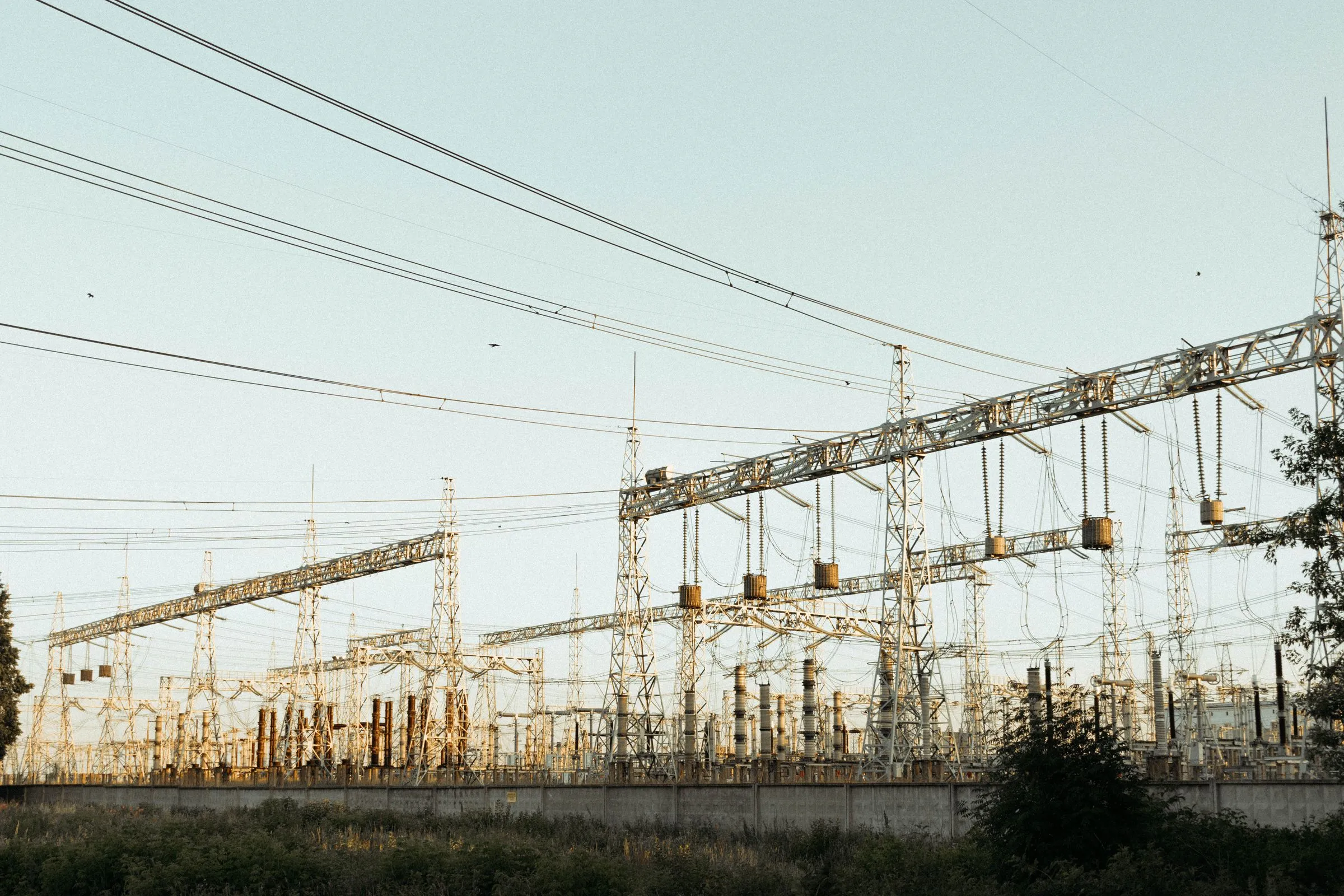
Photo: Kris Møklebust / Pexels
Power, gas plants, and the $2 billion tax question
The Kenosha site plan includes its own substation for a reason. We Energies is planning for a 3.9 gigawatt increase in demand over five years, driven by Microsoft’s roughly $20 billion in announced Mount Pleasant investment and Vantage Data Centers’ $15 billion campus in Port Washington, per Canary Media. To serve that load, the utility has proposed more than $2 billion in new natural gas generation: an 1,100 megawatt plant in Oak Creek targeted for 2027 and 128 megawatts of engine units in the town of Paris, in Kenosha County, by 2028, according to WPR. A draft Public Service Commission report warned that data centers could push Wisconsin’s electricity demand up more than 40 percent by 2032. Microsoft, for its part, says it prepays for the energy infrastructure it requires, is matching fossil-fuel kilowatt hours with carbon-free purchases, and has a 250 megawatt solar project under construction in Portage County.
Then there is the subsidy. Wisconsin’s 2023 state budget exempted qualified data centers from state and local sales tax on construction and equipment, with no sunset date. The Legislative Fiscal Bureau now estimates the break will cost the state more than $2 billion: roughly $1.5 billion during construction of announced projects, then about $369 million every year after, per WPR.
What happens next
Officially, nothing is happening. “At this time, there are no new developments to share regarding the proposed Microsoft data center project,” city spokesperson Daniel Gaitan said in late August 2026, and the mayor who once called the deal transformative has stopped commenting. Unofficially, everything is happening: residents are gathering signatures, the council faces pressure to act before Microsoft files for permits, and the company that just finished one of the fastest mega-projects in American history is still, in its own words, developing its plans. Kenosha County got the buildout’s second act. Now it gets to decide how the audience feels about it.
More in Industry Growth
All Industry Growth →
Seven Signatures in Sacramento: What California's New Data Center Laws Actually Require
Governor Newsom signed a package of seven data center bills on September 21 that ends CEQA exemptions, orders the CPUC to write large-load tariffs, and makes water and energy disclosure a condition of permits. Here is what each law says, who fought it, and what it means for the projects already in the queue.

The Judge, the Desert and the 330-Megawatt Data Center: California's Environmental Law Catches Up With AI
A tentative ruling in Imperial County would push the largest data center ever proposed in California through a full environmental impact report, a year or more of delay for a project that would draw more electricity than the entire county. It also explains why the AI buildout has mostly skipped the state.
The Year the Neighbors Said No: Inside America's Data Center Backlash
In 2026, local opposition blocked or delayed $130 billion of data centers in a single quarter, three-quarters of Americans now oppose one nearby, and governors in both parties are pausing permits. A scoreboard of what the revolt has actually changed, and what it has not.