Bring Your Own Power Plant: Data Centers Go Behind the Meter
Facing years-long interconnection queues, AI campuses are building their own gas turbines, fuel cells, and (eventually) reactors. Roughly 82 GW of behind-the-meter capacity has been announced since 2025, and regulators are scrambling to decide who pays for the grid everyone still leans on.
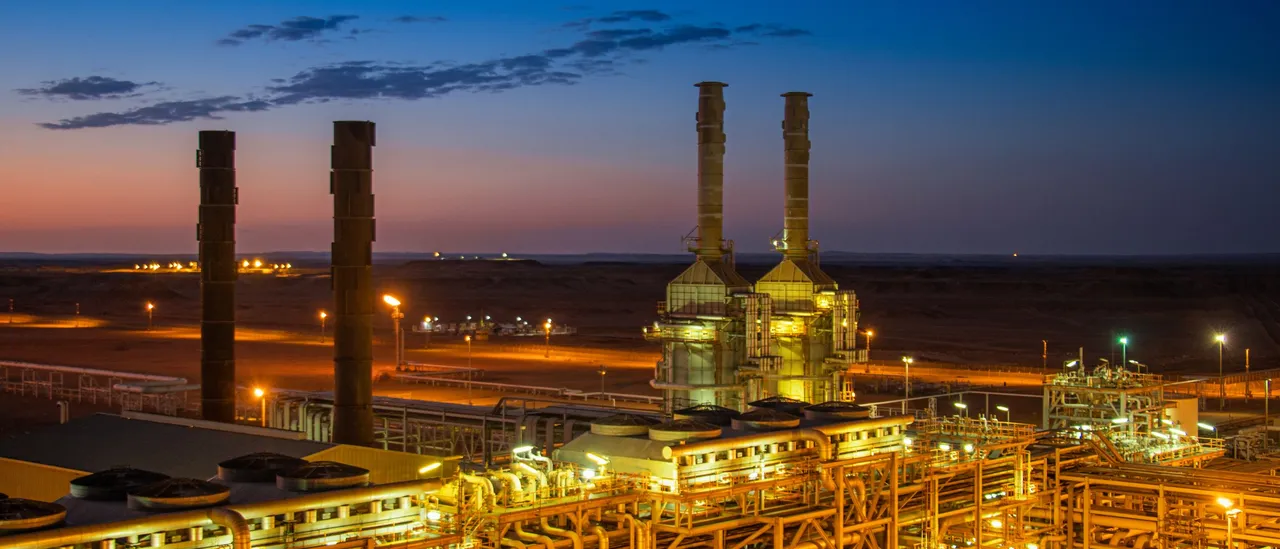
For a hundred years, the deal was simple: you built your factory, the utility built the wires, and electrons showed up on schedule. The AI buildout has broken that deal. When a gigawatt-scale campus needs power in eighteen months and the local utility quotes seven years, developers reach for the next logical tool: they build the power plant themselves.
The numbers say this is no longer a fringe move. Cleanview, a firm that tracks energy projects with satellite imagery and permit filings, has identified 59 US data centers planning roughly 90 gigawatts of their own on-site, “behind-the-meter” generation, more than a quarter of all planned US data center capacity.
About 82 GW of that behind-the-meter capacity, 92 percent of identified projects, has been announced since the start of 2025, according to Cleanview.
The queue is the reason
The proximate cause is the interconnection queue. According to Lawrence Berkeley National Laboratory’s Queued Up report, about 2,290 GW of generation and storage sat in US interconnection queues at the end of 2024, nearly twice the capacity of the entire operating fleet, and the typical project that reached commercial operation in 2024 had spent around five years waiting. For a data center whose GPUs depreciate on a five-year clock, that math is fatal. Cleanview quotes the industry’s blunt logic: developers care about speed to power above almost everything, because a gigawatt of AI capacity can generate on the order of $10 billion to $12 billion in annual revenue.
So instead of waiting for the grid, campuses are bolting generation directly to the load: trailer-mounted gas engines, aeroderivative turbines, refurbished units, fuel cells. Per Cleanview’s equipment tally, Caterpillar hardware alone accounts for about a third of identified behind-the-meter capacity, with Bloom Energy fuel cells at roughly 14 percent. Natural gas dominates; only about 2 GW of the announced total was actually operating as of mid-2026.
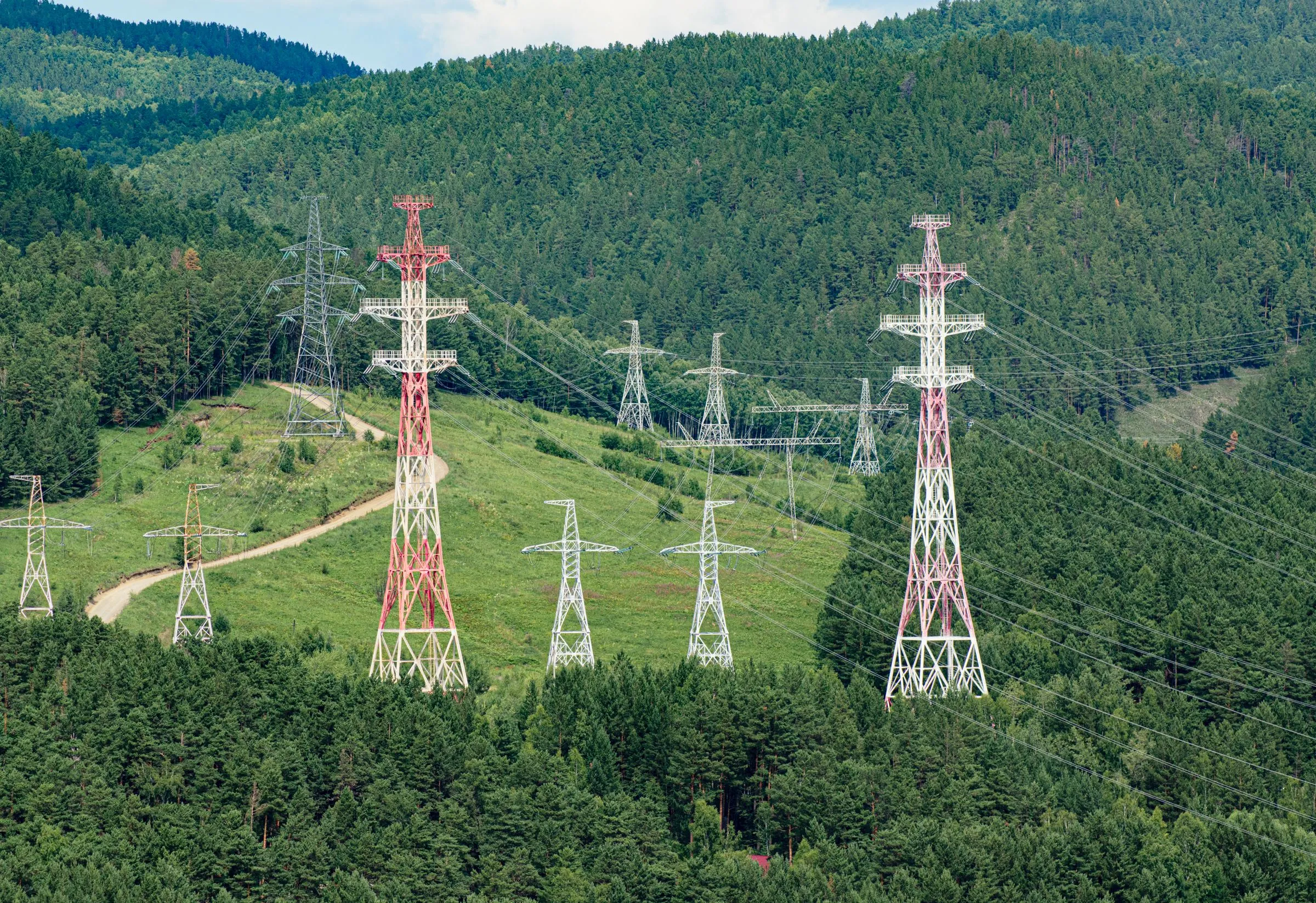
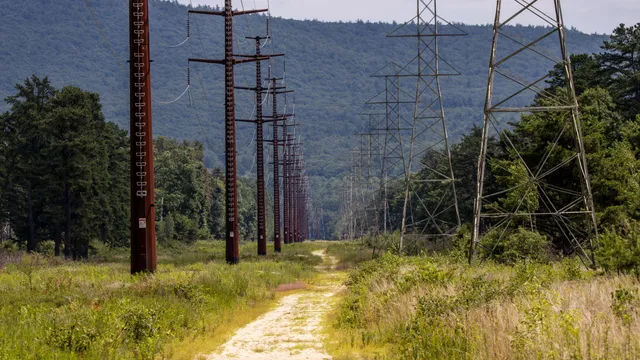
Photo: Radik 2707 / Pexels
Memphis: the cautionary tale
The largest operating behind-the-meter installation is also the most controversial. xAI’s Colossus site in South Memphis came online in 2024 powered by dozens of mobile gas turbines, and aerial photos published by Data Center Dynamics in 2025 showed about 35 turbines on site, more than double the 15 the company had applied to permit. The Southern Environmental Law Center and the NAACP sued in June 2025, alleging that more than 400 MW of turbines ran for months without Clean Air Act permits in Boxtown, a historically Black neighborhood with elevated asthma rates, according to TechCrunch and Time. The Shelby County Health Department ultimately issued a permit for 15 turbines in July 2025, but the fight has escalated: Earthjustice says the NAACP asked a federal court in 2026 for an emergency injunction, and Senator Sheldon Whitehouse demanded answers in April 2026 after regulators’ correspondence indicated 59 unpermitted turbines at the Colossus 2 site near Southaven, Mississippi. Memphis proved behind-the-meter power can stand up a gigawatt in months. It also proved what happens when permitting is treated as an afterthought.
Sold out through 2029
Even developers who do everything by the book face a new bottleneck: the machines themselves. GE Vernova told investors it would end 2025 with an 80 GW gas turbine backlog stretching into 2029, according to Utility Dive, and CEO Scott Strazik has said slots are effectively sold out through the end of the decade. Power Engineering reports the company expects at least 125 GW of gas equipment under contract or reservation by the end of 2026, with roughly a fifth of contracted capacity explicitly tied to data center load. Order a heavy-duty turbine today and you are, in effect, joining a different queue.
That scarcity is exactly why alternatives are having a moment.
| Technology | Marquee example | Realistic timeline |
|---|---|---|
| Gas turbines and engines | xAI Memphis (~1.5 GW operating, per Cleanview) | Months, if you can get hardware and permits |
| Solid-oxide fuel cells | Bloom and Oracle; Brookfield’s $25B framework | First power in under a year |
| Small modular reactors | Google and Kairos (up to 500 MW) | Early 2030s at best |
Fuel cells now, fission later
Bloom Energy has become the fastest-growing beneficiary. Its first direct hyperscaler supply deal, with Oracle in July 2025, delivered a first system in 55 days, per Data Center Dynamics, and Brookfield expanded an initial $5 billion partnership into a $25 billion framework for fuel-cell-powered “AI factories” in 2026, according to Power Engineering. Fuel cells still burn natural gas, but they emit no NOx, need no Clean Air Act combustion permit in most jurisdictions, and arrive in shippable modules. That is a compelling pitch after Memphis.
Nuclear is the long game. Google’s agreement with Kairos Power covers up to 500 MW from a fleet of small modular reactors, with the first unit targeted around 2030, according to Data Center Dynamics; Amazon has backed X-energy, and Meta, Microsoft, and others have signed a combined 10 GW or so of nuclear commitments by various trackers’ counts. Estimates diverge on totals because many deals are options rather than orders, and nothing behind a fence will split atoms this decade. SMRs are the exit strategy from gas, not a substitute for it in 2026.
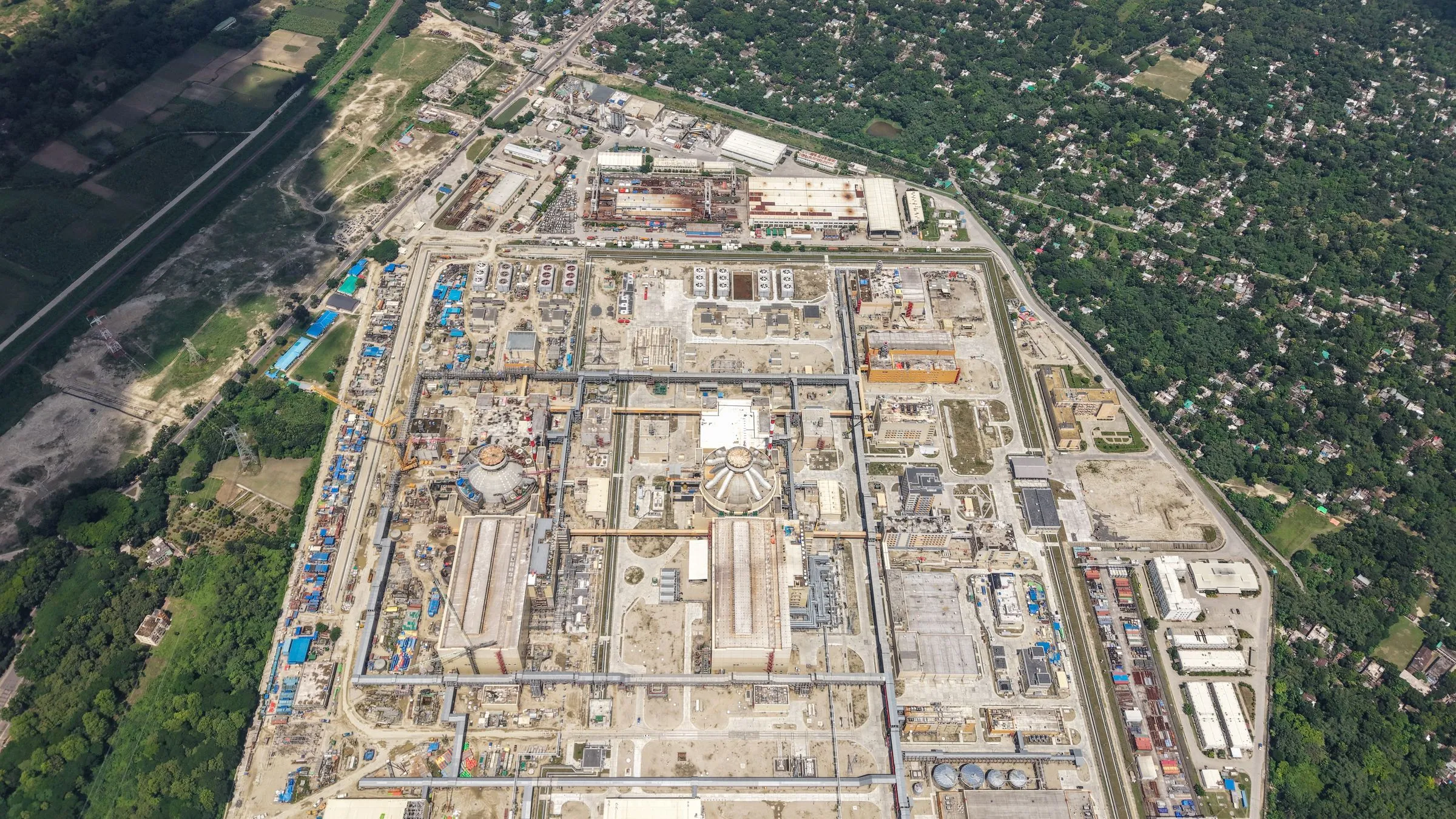
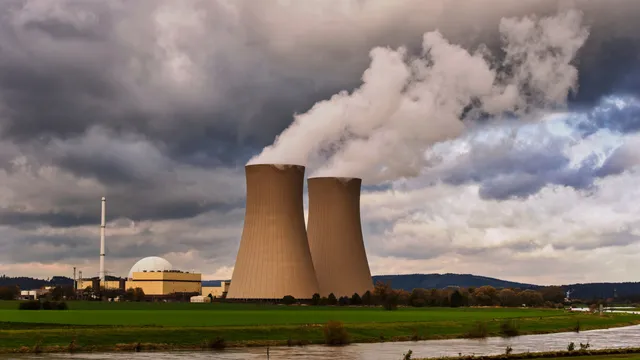
Photo: Sarowar Hussain / Pexels
Who pays for the grid?
The policy fight is just beginning, and it turns on a simple fact: almost every behind-the-meter campus still wants a grid connection for backup. Regulators increasingly view that as a subsidized insurance policy. In December 2025, FERC unanimously ordered PJM, the nation’s largest grid operator, to write clear rules for co-located loads, finding that letting big customers net out their on-site generation shifted transmission costs onto everyone else, as Utility Dive reported. At the state level, MultiState counts legislation in at least 18 states creating special rate classes or cost-responsibility rules for large loads in 2026.
The bring-your-own-power-plant era solves the developer’s problem: speed. Whether it solves anyone else’s, from Boxtown’s air to the ratepayer’s bill, is now a question for courts, commissions, and 18 statehouses. The meter, it turns out, was never just a billing device. It was the boundary of a social contract, and the AI industry just built 90 gigawatts on the other side of it.
More in Power & Energy
All Power & Energy →
Same Reactors, More Megawatts: Google and Amazon Pay Constellation to Squeeze 1.1 GW Out of PJM's Nuclear Fleet
In six days, Amazon and Google signed 20-year contracts that fund roughly 1,080 MW of nuclear uprates at seven Constellation sites in Maryland, Illinois, Pennsylvania and New Jersey, backed by more than $7.3 billion of plant investment. Unlike most hyperscaler nuclear deals, these add electrons that do not exist today, arriving between 2028 and 2032 against a PJM shortfall of 6.8 GW that lands in 2028. Three days after the Google announcement, FERC threw out the PJM rule the deal was written to satisfy.
The Backstop That Stalled: PJM's One-Time Auction for Data Center Power Runs Into FERC
PJM was supposed to open a six-week window on September 30 to buy 6.8 GW of new power plants for data centers on 15-year contracts. FERC approved the price cap, threw out the cost allocation, called the filing a mess, and the largest grid operator in the country put the whole thing on hold.
Nuclear's Comeback: Restarts, Small Reactors, and the Gap Between Deals and Electrons
Hyperscalers have signed close to 10 gigawatts of nuclear deals, and Palisades just loaded fuel. But most of the announced capacity is either re-labeled output from existing plants or reactors that will not run until the 2030s. Here is what will actually deliver before 2030.