The Year the Neighbors Said No: Inside America's Data Center Backlash
In 2026, local opposition blocked or delayed $130 billion of data centers in a single quarter, three-quarters of Americans now oppose one nearby, and governors in both parties are pausing permits. A scoreboard of what the revolt has actually changed, and what it has not.
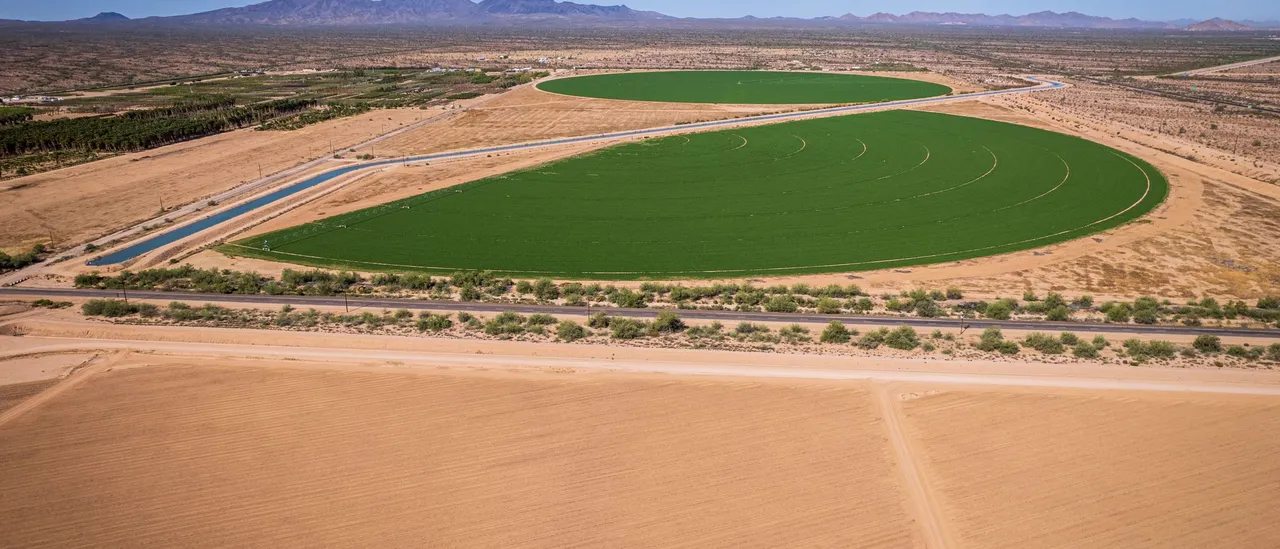
When Pinal County, Arizona supervisors took up a data center campus south of Eloy on August 26, so many residents came that the county opened five overflow rooms across three buildings. The developer had already cut the plan from 59 buildings to 11. The board still voted 4-1 against it, and hardly anyone outside Arizona noticed, because scenes like this are now routine. Scattered zoning fights have become a land-use revolt that shapes state law, hyperscaler contracts and the midterms. Here is the scoreboard as of September 1, and what the opposition has actually changed.
The scoreboard
Data Center Watch, which tracks local fights, counted at least 75 projects worth roughly $130 billion blocked or delayed in the first quarter of 2026 alone, about as much as it recorded in all of 2025. Organized opposition groups more than doubled, from 396 at the end of 2025 to 833 by March, across 49 states.
Public opinion moved just as fast. A Heatmap Pro poll of 2,045 registered voters taken August 8 to 13 found 75 percent oppose a data center near their home. A year earlier the same question split almost evenly, 43 percent for and 42 against. CNN reported on August 31 that more than $31 million had been spent on campaign ads mentioning data centers this year, over 99 percent of it hostile.
What people are actually angry about
Strip away the AI anxiety and the complaints are concrete. Electricity bills come first, as we have covered. Then water, which killed Tucson’s Project Blue: in August 2025 the city council voted unanimously to halt a 290-acre campus tied to Amazon after residents learned it would use as much water as more than four golf courses. Then noise: in July, Sturtevant residents sued Microsoft over the low-frequency hum from its Mount Pleasant campus, as our Kenosha story details. And under everything, secrecy: the non-disclosure agreements that kept residents from learning who was buying the land next door until after the votes.
Photo: John Bravar / Pexels
“I don’t understand why people keep trying when we, the people, have said we don’t want data centers,” resident John Mangles told the St. Charles County, Missouri council in July, minutes before it imposed a six-month moratorium by unanimous vote.
The moratorium map
Nobody agrees on the count, which is itself telling: Savrn lists 298 local moratoria across 43 states as of August, Interconnected Capital 225 in 30. Indiana University’s Environmental Resilience Institute found nearly a third of Indiana’s 92 counties had acted by mid-2026, including two outright bans, and on August 10 the Indianapolis City-County Council voted 23-1 to bar new data centers in Marion County through 2027. In Georgia, the Columbus Ledger-Enquirer counted 34 counties and 23 cities with moratoriums or ordinances by June, one county in five in the state whose capital had just overtaken Northern Virginia in capacity under construction.
The statehouses move
The 2026 sessions turned local anger into statute, and the drafting was strikingly bipartisan. Oklahoma’s Republican legislature and Governor Kevin Stitt enacted a Ratepayer Protection Act, effective July 1, and a groundwater law that bans data centers from using groundwater in evaporative cooling. New Jersey’s Democratic Governor Mikie Sherrill signed a separate rate class for large data centers on July 7 and, on August 27, a law requiring facilities above 100 megawatts to report energy and water use twice a year. Maine’s legislature passed the first statewide moratorium, on facilities of 20 megawatts or more, but Governor Janet Mills vetoed it and the override failed 72-65 on April 29.
Governors acted where legislatures did not. On July 14, New York’s Kathy Hochul signed Executive Order 62, pausing permits for large data centers for up to a year. On August 3, Texas Governor Greg Abbott ordered ERCOT to halt new interconnections pending an audit of 250 to 300 large-load projects, some 200 gigawatts in all, more than twice the grid’s record peak. And on August 18, Pennsylvania’s Josh Shapiro signed Executive Order 2026-05, which pulls data centers out of the state’s permit fast-track, prohibits NDAs, and withholds state permits until developers win local approval and commit in writing to pay the full cost of grid upgrades.
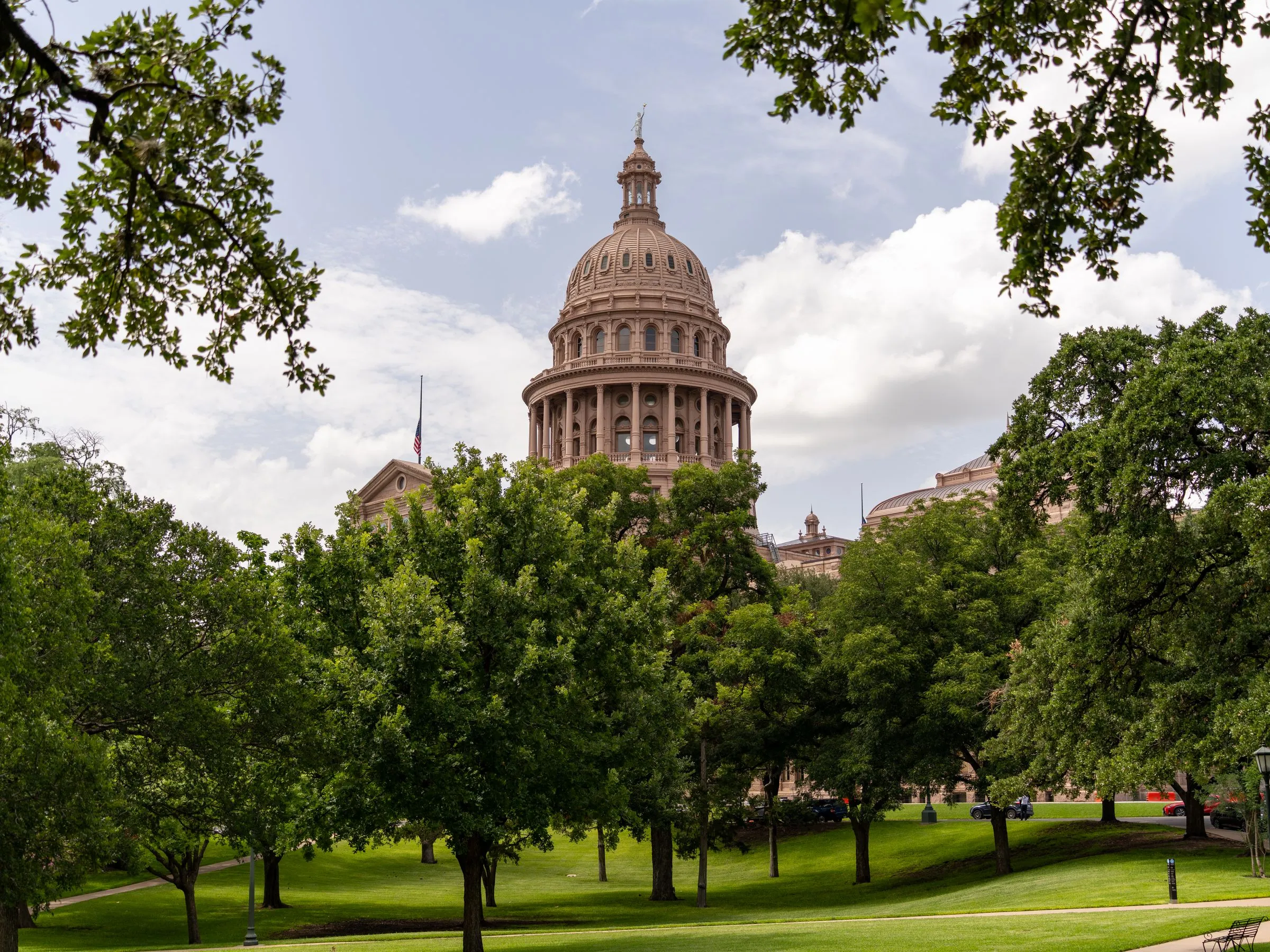
Photo: Brett A / Pexels
“My message to data center developers is clear: if you can’t agree to our strict requirements and get the community where you want to build to say ‘yes,’ you’re not going to have the Commonwealth’s support either.”
That was Shapiro at the signing. The tax breaks are going too: Arizona suspended its data center sales-tax exemption for three years from July 1, Illinois and Ohio paused new incentive awards, and Abbott has pledged to repeal Texas’s.
What developers are giving up
The industry has read the polls. On March 4, Amazon, Google, Meta, Microsoft, OpenAI, Oracle and xAI signed the White House’s Ratepayer Protection Pledge, committing to build, bring or buy new generation, cover the full cost of their grid upgrades, and pay for contracted power whether they use it or not. Microsoft had gone first. In January, three months after local opposition sank its 244-acre Caledonia, Wisconsin site, Brad Smith published a “Community-First AI Infrastructure” framework promising to pay electricity rates high enough to cover the company’s own costs and full property taxes with no abatements. “Some have suggested that AI will be so beneficial that the public should help pay for the added electricity the country needs for it,” Smith wrote. “We believe in the benefits AI will create, but we disagree with this approach.”
The template for what a city can extract now exists. When St. Louis approved a downtown data center in April, the permit required closed-loop, air-cooled chillers, a $15 million community benefits payment, no local tax abatements, and a $2,000 penalty for every promised job that fails to materialize.
Dead, or just moved?
Here the record is murkier than the headlines. Project Blue lost the vote and kept going: Amazon walked away, but Pima County closed the land sale in December 2025 and the developer, Beale Infrastructure, is proceeding on unincorporated county land beyond Tucson’s reach. Saline Township, Michigan lost outright. Its board voted 4-1 against a 1,000-acre, 1.4-gigawatt campus for OpenAI and Oracle; the developer sued two days later under Michigan’s exclusionary-zoning doctrine, and the township settled for roughly $14 million in community benefits and a noise cap rather than risk a court-ordered rezoning. Construction on the $16 billion campus began in November. Caledonia’s loss became Kenosha’s fight.
Prince William County’s Digital Gateway is the opposite story. The 2,100-acre, 37-building campus beside Manassas National Battlefield Park was voided by a circuit court in August 2025 over defective public notice, and the Virginia Court of Appeals upheld that ruling on April 1. Compass and the county quit in April; QTS alone filed a Virginia Supreme Court appeal, three hours before the May deadline.

Photo: Michael S / Pexels
Bloomberg’s August 26 assessment was that the backlash is slowing and reshaping the buildout rather than stopping it. Capacity that cannot be built in Marion County shows up in a friendlier jurisdiction with a community benefits agreement, closed-loop cooling and a special rate class attached. That is what the year the neighbors said no has actually changed: not whether the data centers get built, but on whose terms. Port Washington’s mayoral recall fell a few hundred signatures short in February; the 902-megawatt campus it targeted is rising anyway, and every developer in the country has now studied why the neighbors tried.
More in Industry Growth
All Industry Growth →
Seven Signatures in Sacramento: What California's New Data Center Laws Actually Require
Governor Newsom signed a package of seven data center bills on September 21 that ends CEQA exemptions, orders the CPUC to write large-load tariffs, and makes water and energy disclosure a condition of permits. Here is what each law says, who fought it, and what it means for the projects already in the queue.

The Judge, the Desert and the 330-Megawatt Data Center: California's Environmental Law Catches Up With AI
A tentative ruling in Imperial County would push the largest data center ever proposed in California through a full environmental impact report, a year or more of delay for a project that would draw more electricity than the entire county. It also explains why the AI buildout has mostly skipped the state.
The Three-Year Wait for a Transformer: The Supply Chain Choking the Data Center Buildout
Large power transformers now take 128 to 160 weeks to arrive, gas turbine slots are booked into 2031, and a single Pennsylvania mill makes all of America's transformer steel. Inside the equipment bottleneck behind the AI buildout, and the tricks developers use to jump the line.