The $700 Billion Year: Mapping the Hyperscale Buildout
Big Tech's data center spending is heading toward $700 billion in 2026, vacancy in top markets has fallen to fractions of a percent, and 71% of Americans don't want any of it next door. Where the capacity is going, and why.
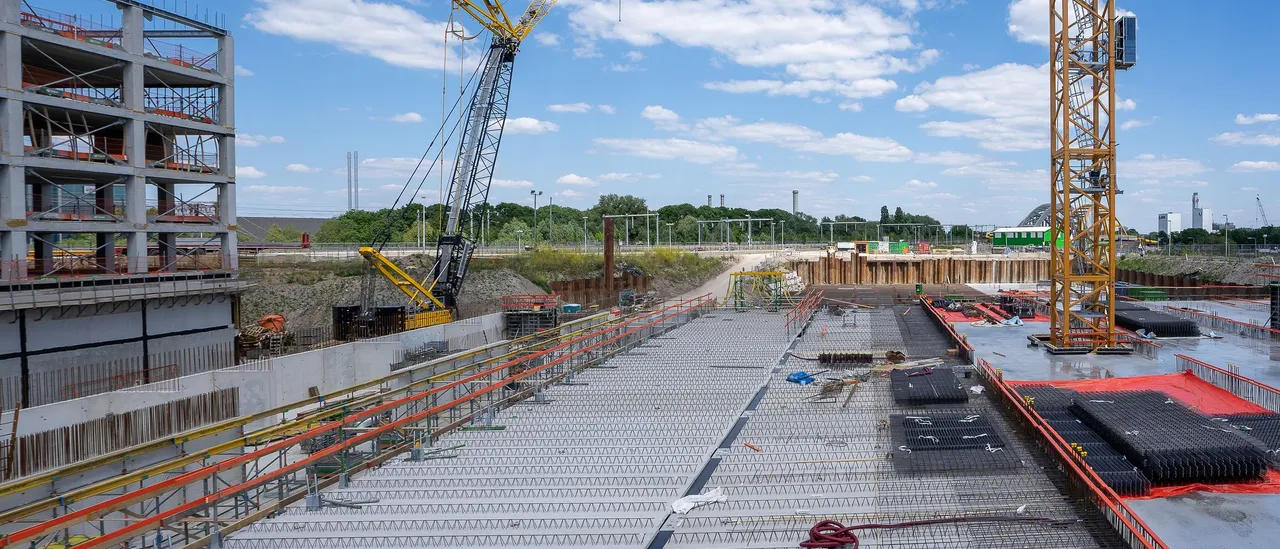
Add up the 2026 capital-expenditure guidance from Amazon, Microsoft, Alphabet, and Meta and you get a number somewhere between $630 and $725 billion, up from a record ~$400 billion in 2025, with most of it destined for data centers. For scale: that single year of spending rivals the inflation-adjusted cost of the entire US Interstate Highway System, compressed into twelve months.
And that’s just the big four. OpenAI’s Stargate program with Oracle and SoftBank has committed over $400 billion toward a 10 GW goal across six announced US sites. Anthropic announced $50 billion for custom facilities in Texas and New York. The result is the fastest infrastructure buildout in modern history and, increasingly, a fight about where it lands.
A market with no slack
The world had 1,360 hyperscale data centers at the end of 2025, per Synergy Research, holding 48 percent of all data center capacity anywhere, with about 770 more in the pipeline. Yet supply cannot keep up. CBRE’s H1 2026 numbers for North America read like a market that has run out of shelf space:
| Indicator (North America, H1 2026) | Figure |
|---|---|
| Capacity under construction | 7,481 MW (a record) |
| Share already preleased | 80.4% |
| Primary-market vacancy | 1.4% (a record low) |
| Available future capacity | Under 1,500 MW (~6 months of demand) |
Northern Virginia, the industry’s historic capital, has effectively sold out: 0.2 percent vacancy on 4.5 GW of inventory. That scarcity is redrawing the map.
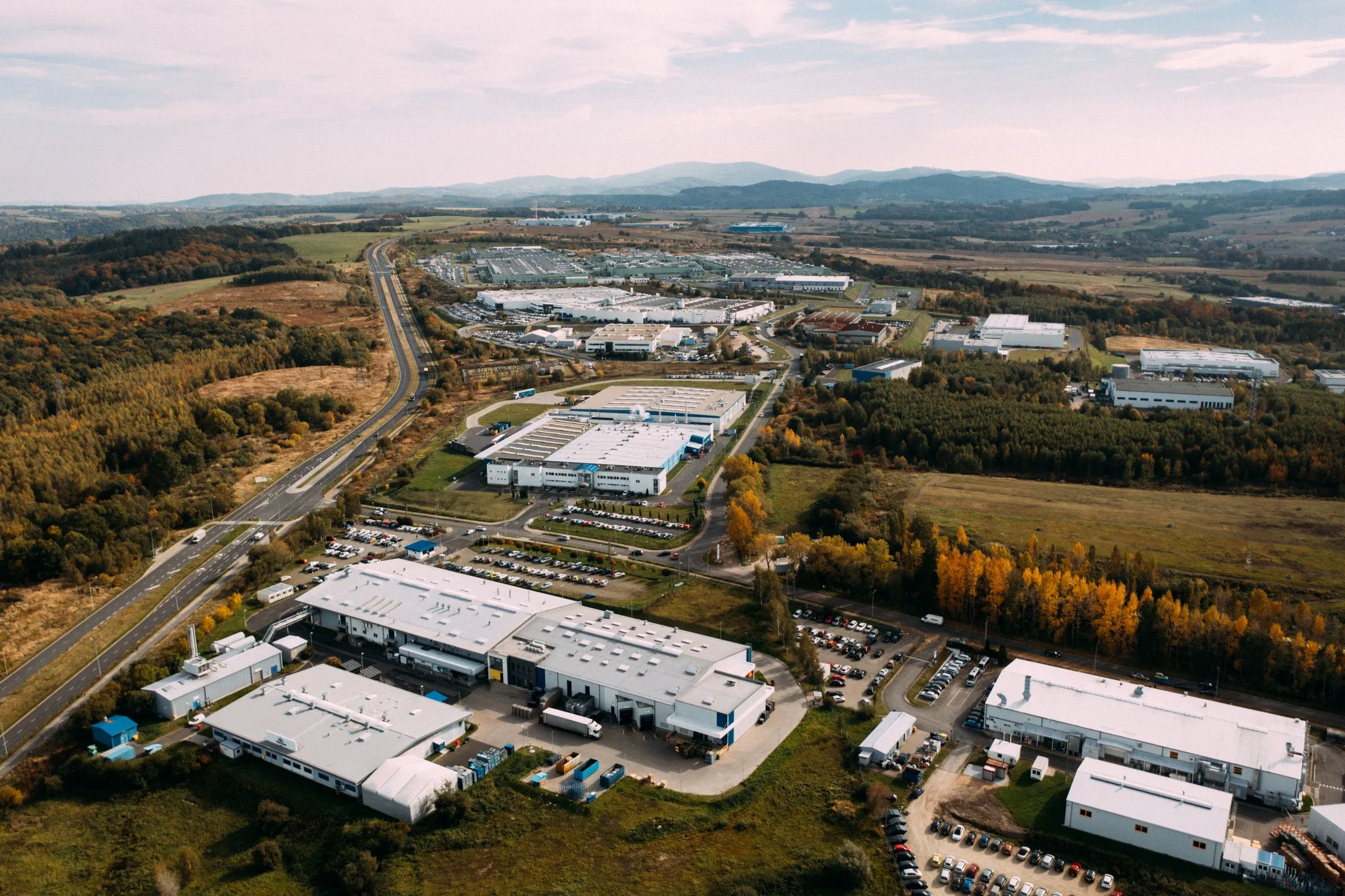
Photo: Marcin Jozwiak / Pexels
Where the capacity is going
Atlanta overtook Northern Virginia in H1 2026 as North America’s largest market by capacity under construction, thanks to cheap rural land, available labor, tax incentives, and (for now) power. Dallas–Fort Worth is on pace to double, with 89 percent of its pipeline preleased before the concrete cures. Phoenix, Ohio, Louisiana, Indiana: the pattern is the same everywhere. Site selection used to be about fiber routes and tax abatements; today it is decided almost entirely by one question: when can you energize? Power availability and interconnection timelines now outrank every other factor.
The mega-projects mark the new geography. Meta’s Hyperion in rural Louisiana has grown to a planned 5 GW and $50+ billion. Amazon’s $11 billion Project Rainier in Indiana, built to train Anthropic’s models, plans 30 buildings and more than 2.2 GW. Microsoft’s Fairwater campuses in Wisconsin and Atlanta are linked by a dedicated network into what the company calls a “planet-scale AI superfactory.” xAI’s Colossus in Memphis runs roughly 770,000 GPUs and is headed from 1 GW toward 2.
Internationally, the boom has clear hotspots: Johor, Malaysia (doubling to over 2 GW by end-2026, absorbing demand from land-constrained Singapore next door), Mumbai (India crosses ~2 GW on $30 billion invested), and Abu Dhabi, where the 5 GW Stargate UAE campus delivers its first 200 MW phase in late 2026.
The backlash arrives
The buildout’s political honeymoon is over. A March 2026 Gallup poll found 71 percent of Americans oppose an AI data center in their local area, a higher local-opposition number than Gallup has recorded for nuclear power plants. The grievances are concrete: rising electricity bills, water worries, and tax deals that look increasingly lopsided. Virginia’s signature sales-tax exemption cost $1.9 billion in fiscal 2025 alone, while a state study found the incentive returned about 48 cents per dollar exempted. In 2026, Maine, Nebraska, and Washington trimmed or ended their data center tax breaks, Illinois froze new applications, and Monterey Park, California became the first US city to ban data centers by ballot measure, with 88 percent voting yes.
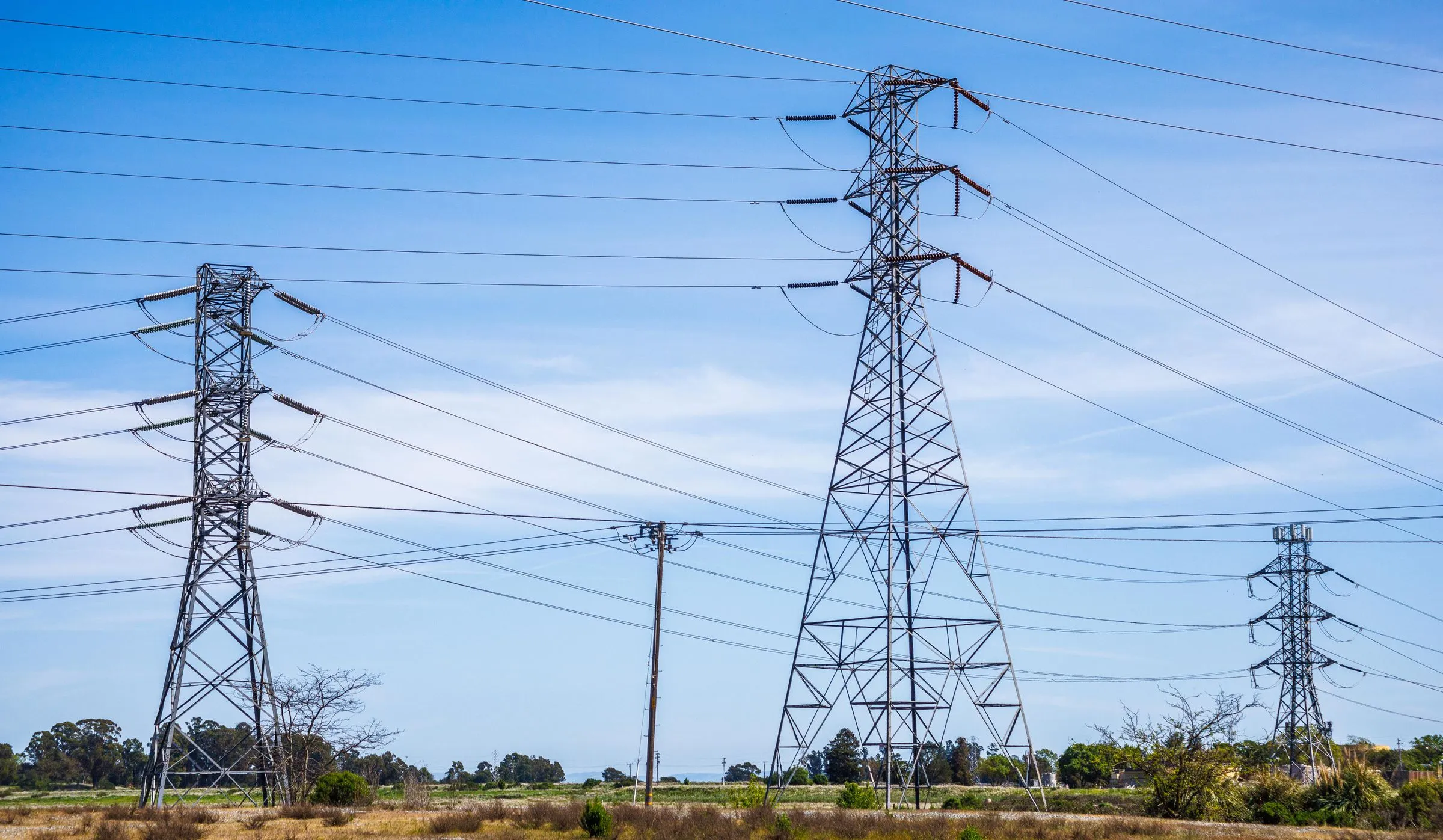
Photo: Robert So / Pexels
The jobs math fuels the skepticism. Data centers create enormous construction employment but thin permanent payrolls: Anthropic’s $50 billion program, for example, yields roughly 2,400 construction jobs but about 800 permanent ones. A billion-dollar building that employs a few dozen people is a hard sell in a county that just gave up its tax base to get it.
Who actually owns the boom
Roughly 60 percent of hyperscale capacity is in facilities the giants build themselves; the rest is leased from colocation providers, whose developable land and grid positions have made them kingmakers. And a third force is scaling fast: the “neoclouds”: CoreWeave, Nebius, Crusoe, Lambda, and peers that rent raw GPU capacity. Synergy projects the segment approaching $400 billion in revenue by 2031, from about $20 billion in 2026. CoreWeave alone grew revenue 112 percent year-over-year in Q2 2026 and raised its own capex toward $35 billion.
The open question is whether demand keeps validating the spending. Every quarter, hyperscaler earnings calls face the same challenge: prove the AI revenue is arriving as fast as the concrete. So far the answer has been yes: vacancy near zero, pipelines preleased years out. But a buildout this leveraged to one technology thesis has no modern precedent, and the whole industry knows it.
More in Industry Growth
All Industry Growth →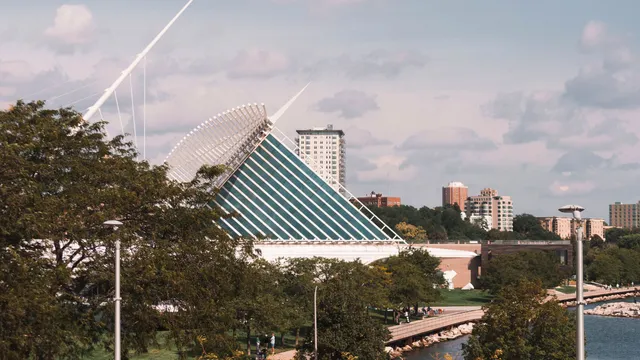
Milwaukee Hits Pause: Council Votes 13-0 to Freeze New Data Centers for a Year
Milwaukee's Common Council has halted new data centers and most expansions for up to a year so the city can write zoning rules for them, something its code has never had. The fight started with a 19,000-square-foot server room proposed for an empty Walmart. The rules now being drafted would block anything over 60,000 square feet, in a city that planners say was never going to attract a hyperscale campus anyway.
Oregon Pulls the Permits: Kotek Orders a Nine-Month Freeze on Air and Water Approvals for New Data Centers
In a letter nobody announced, Gov. Tina Kotek told Oregon's environmental regulator to stop processing air and water pollution permits for new or expanded data centers until July 1, 2027. Without those permits, no hyperscale campus can be built on public or private land, which makes the order the closest thing to a statewide moratorium any governor has signed. Amazon, which runs more than a dozen hyperscale sites in Morrow and Umatilla counties, says it will cost thousands of jobs. The Legislature gets the problem in January.
Seven Signatures in Sacramento: What California's New Data Center Laws Actually Require
Governor Newsom signed a package of seven data center bills on September 21 that ends CEQA exemptions, orders the CPUC to write large-load tariffs, and makes water and energy disclosure a condition of permits. Here is what each law says, who fought it, and what it means for the projects already in the queue.