Who Gets to Plug In: FERC's Rewrite of the Rules for Connecting Data Centers to the Grid
A power plant has had a federal interconnection process for two decades. A gigawatt data center never did. In 2026 FERC ordered all six regional grid operators to invent one, and their answers, from MISO's non-firm service to PJM's curtail-first rule, will decide which campuses get power in 2027.
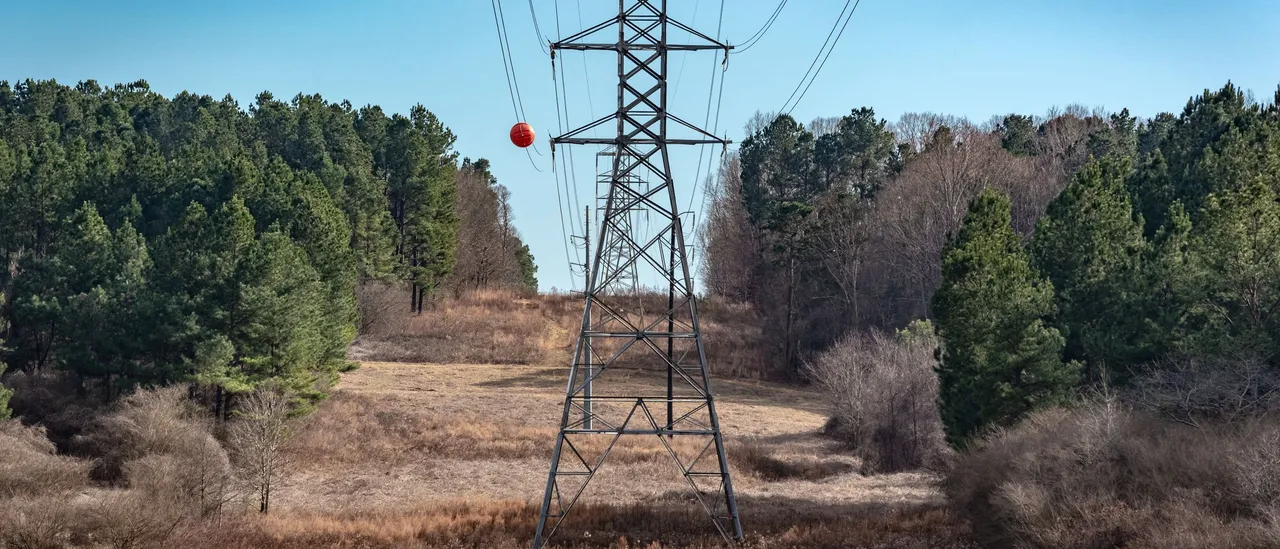
Picture a developer with a signed lease, a hyperscale tenant, and a plan to draw a full gigawatt from the high-voltage transmission lines that cross the property on steel lattice towers. The developer wants to know what form to file, what the study will cost, and how long it will take. Until this year, nobody could say. There was no form.
That gap came to a head over the summer of 2026. On June 18, the Federal Energy Regulatory Commission ordered all six of the regional grid operators it oversees to either prove their rules for connecting very large loads are adequate or rewrite them. The operators’ answers, filed through August and due in full in November, will decide which campuses get energized in 2027 and on what terms.
Why loads never had a queue
Power plants have had a federal front door since 2003. FERC’s Order 2003 standardized how a generator applies to connect to the interstate transmission system, what studies it gets, and who pays for upgrades, per Vinson & Elkins. A data center never went through anything comparable. Retail electricity is state business, so a new customer asked its local utility, the utility ran its own studies, and the two negotiated privately. That stopped working when a single applicant asked for as much power as a mid-sized city.
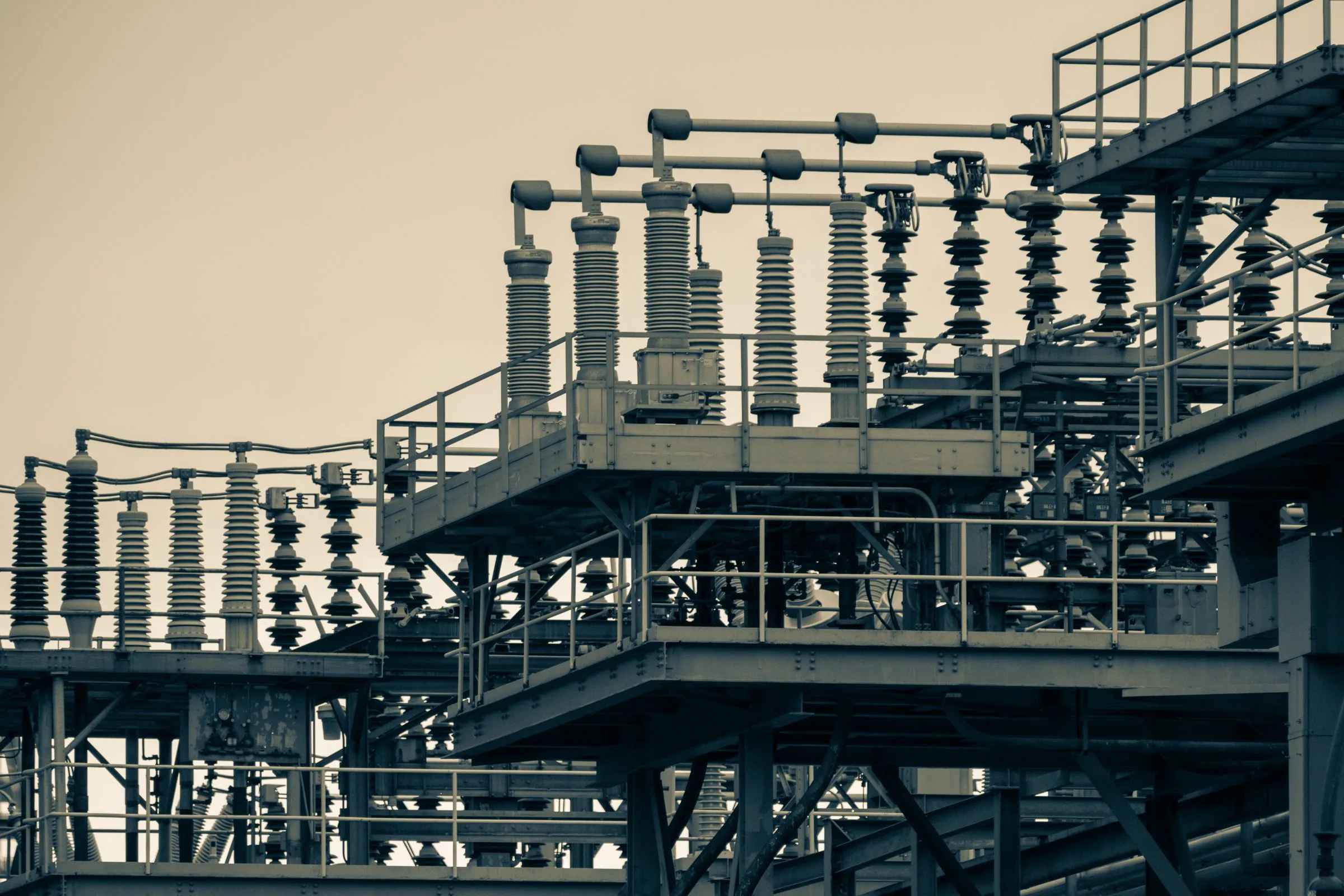
Photo: _ Whittington / Pexels
The bilateral model broke in three places: a developer could file the same gigawatt with four utilities and each would study it as real; the load and the generation meant to serve it were studied on separate tracks; and the cost of the substation and line upgrades a large load triggers could quietly land on everyone else’s bill.
The Department of Energy forced the issue on October 23, 2025. Using a rarely invoked authority under Section 403 of the DOE Organization Act, Energy Secretary Chris Wright directed FERC to open a rulemaking on loads above 20 MW, laid out fourteen principles (deposits to deter speculative requests, customers paying for the upgrades they cause, faster studies for curtailable loads, joint study of load and generation), and asked for final action by April 30, 2026, according to Vinson & Elkins. FERC docketed it as RM26-4, missed the April date, and in an April 16 order promised to act by the end of June, per Troutman Pepper Locke.
Two regional decisions had already sketched the answer. On December 18, 2025, FERC found PJM’s tariff unjust and unreasonable because it said nothing clear about generators serving co-located load, and directed PJM to create three new transmission services for customers willing to limit their use of the grid: an interim non-firm service and firm and non-firm “contract demand” services, per Utility Dive and Morgan Lewis. That order grew out of the Talen-Amazon fight at the Susquehanna nuclear plant, told in Bring Your Own Power Plant. Then on January 14, 2026, FERC accepted Southwest Power Pool’s High Impact Large Load process, the first tariff to give loads a formal study track. A HILL is anything above 10 MW connecting below 69 kV or 50 MW and up at higher voltages, and the companion HILLGA process studies the generation needed to serve the load together with the load itself; nearly 6 GW of HILL requests arrived in 2024 alone, per Troutman Pepper Locke.
PJM’s board moved two days later. Its January 16 decisional letter defined a large load as 50 MW or more at one point of interconnection, endorsed a voluntary “Bring Your Own New Generation” path paired with an Expedited Interconnection Track, and directed a “connect and manage” framework under which new large loads arriving without matching supply would be curtailed before PJM deploys pre-emergency demand response. The expedited track takes up to 10 projects a year, according to PJM Inside Lines.
What FERC ordered in June
Rather than one national rule, FERC chose six targeted proceedings. The June 18 show cause orders under Section 206 of the Federal Power Act went to PJM, MISO, SPP, CAISO, ISO New England, and NYISO, with their transmission owners, and each was told to justify its tariff or propose fixes in five areas, per McGuireWoods: a study process for large-load transmission service; protection against cost shifting; rules for co-location; transmission services for flexible loads and behind-the-meter generation; and a study process for generators serving “electrically proximate” large loads. A load is electrically proximate if it sits no more than two substations from the generator. Such a pair can be studied together on an expedited track, and RMI reports FERC floated study windows of 60 to 90 days for standardized large-load requests.
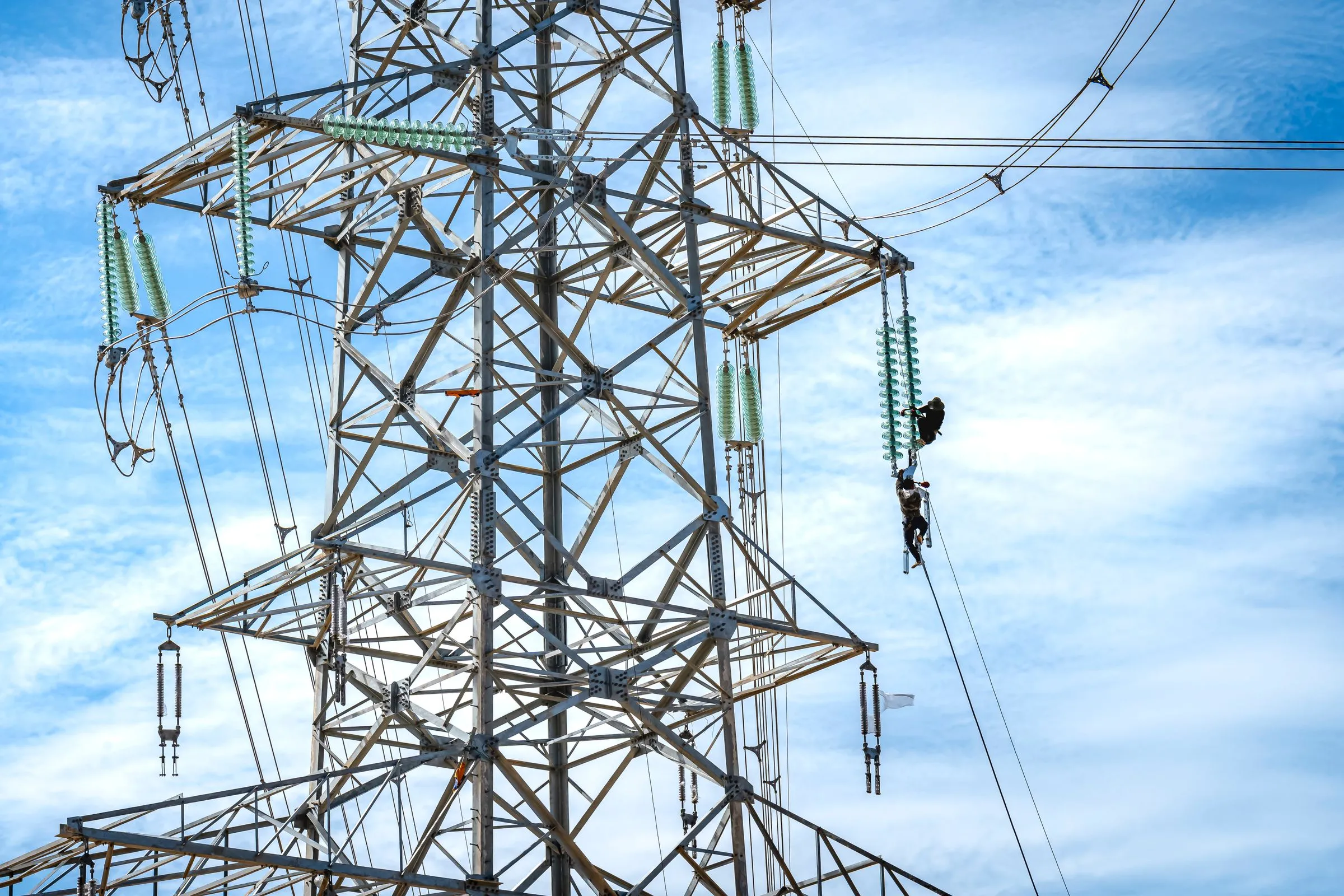
Photo: Quang Nguyen Vinh / Pexels
The orders are as much about the line crews on the transmission towers as about paperwork. Studying a gas plant and its data center as one project shortens the list of network upgrades that must be built before either can energize, and Utility Dive reports FERC also told operators to weigh power flow controllers and dynamic line ratings before defaulting to new wires. The deadlines were tight: a resource adequacy report in 30 days, requests for a pause of up to 90 days by August 3, and full responses by August 17. Chairman Laura Swett called the package “historic action,” and Commissioner David LaCerte added a warning, quoted by Utility Dive: “The commission has very broad jurisdiction over transmission that we will not hesitate to utilize.”
What the grid operators filed in August
The first thing every operator filed was a request for more time. PJM asked for a pause on July 28, the other five on August 3, and on August 14 FERC granted all six, pushing the substantive responses to November 16, according to Capacity and an independent docket analysis by Pranava Raparla. The July 20 informational reports, summarized by Climate Solutions Legal Digest, show why: PJM had 829 applications totaling roughly 212 GW in its generator queue, and NYISO projected a statewide shortfall of more than 1,800 MW by 2033.
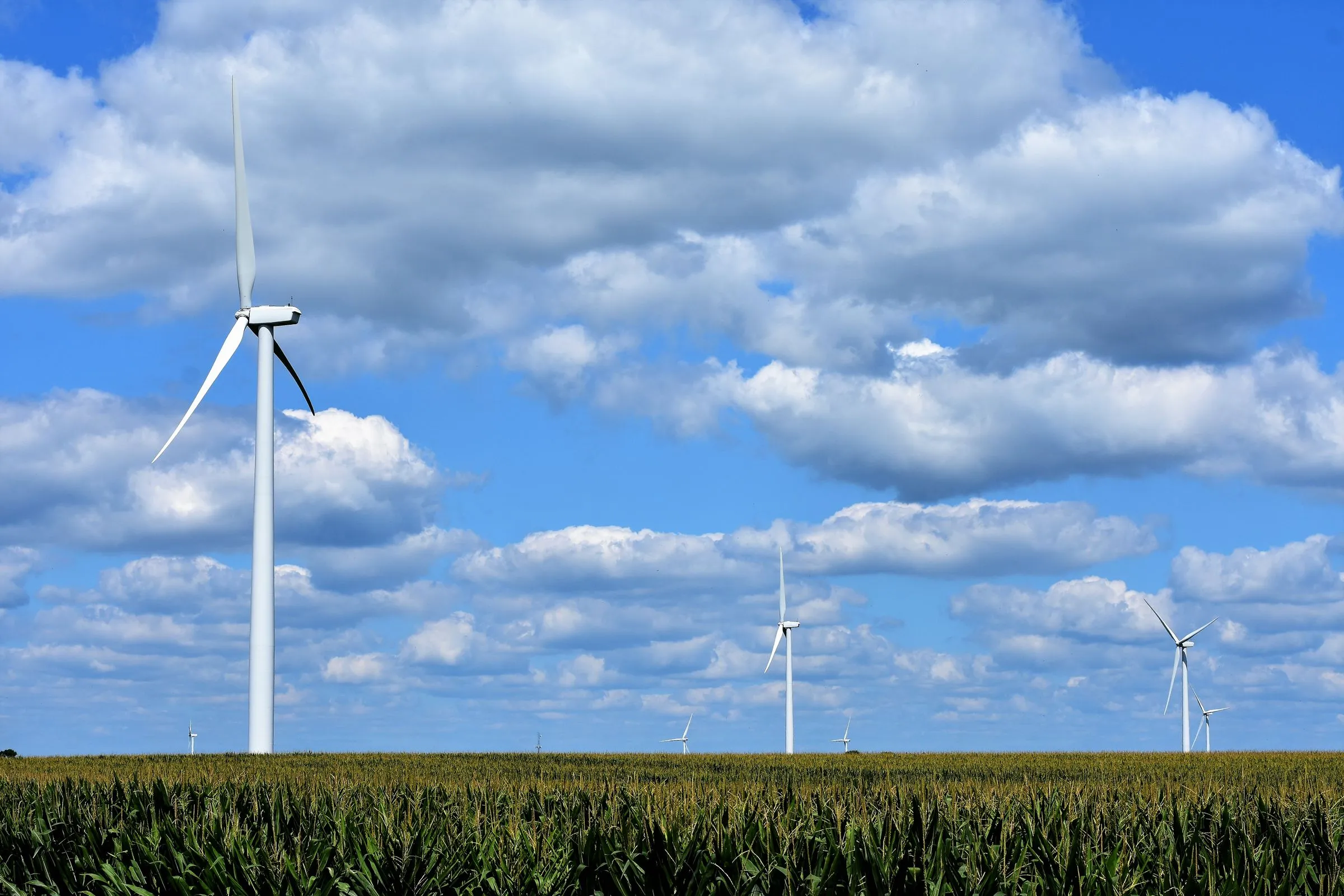
Photo: Thomas Shockey / Pexels
The pause did not stop the filings. MISO, whose footprint holds much of the wind fleet strung across the Corn Belt, from the turbines over Illinois cornfields to the Dakotas, took the most direct route. On August 12 its Large Load Working Group introduced FLITS, the Flexible Large-load Interconnections and Transmission Service, a non-firm product under which a qualifying load gets a faster hookup in exchange for curtailing when MISO declares a capacity advisory, according to feedback from the Organization of MISO States. On August 28 MISO filed reliability requirements for loads above 50 MW connecting above 69 kV: hourly forecasts, phasor measurement units, ramp-rate limits, and ride-through rules so a computational load does not drop offline the instant voltage dips, effective December 4 if approved, per TFTC and Zero Emission Grid.
PJM filed its answers under its own name. On July 31 it proposed a one-time backstop auction, running September 30 through October 21, to fill the 6.8 GW reserve shortfall left when its July 15 auction for 2028/29 cleared at the $325/MW-day price cap, according to Utility Dive; the bill for those auctions is covered in Is AI Raising Your Electric Bill?. On August 13 it filed the Interim Resource Adequacy Service, the renamed connect-and-manage framework: a registry of every large load and a rule that new large loads without their own supply after June 1, 2027 will be curtailed ahead of pre-emergency load management, “ahead of any action that would serve to shut off traditional consumers,” per PJM Inside Lines.
SPP defended its record: HILL and HILLGA were live, and on June 5 FERC had approved CHILLS, a non-firm service that lets a large load run on spare capacity for up to seven years while its firm upgrades are built, per Utility Dive. CAISO published a straw proposal on August 12 defining a large load as 50 MW at a single site and sketching two curtailable services, one interim and one permanent, according to mgrid. ISO New England told NEPOOL members on August 18 it would require new large loads to bring their own new generation and exclude them from the region’s capacity requirement, per ISO Newswire and RTO Insider. NYISO’s market is frozen anyway: Governor Kathy Hochul’s Executive Order 62 of July 14 paused environmental permits for data centers of 50 MW or more for a year.
Curtailment, co-location, and who pays
Strip away the acronyms and every operator is converging on the same bargain: speed in exchange for flexibility. A load that will accept interruption during the few worst hours a year can be studied faster, connect sooner, and skip some upgrades. Shalin Savalia, a senior electrical engineer at Amazon Web Services, put it bluntly in a Utility Dive opinion column: arrive with a concrete offer of how many megawatts you can drop, for how long, how quickly, and how much generation you bring yourself.
Co-location is the other half. The Susquehanna dispute, where FERC rejected an expanded behind-the-meter supply from Talen’s nuclear plant to Amazon, became a 1,920 MW front-of-meter contract in June 2025 and, six months later, the PJM order that created the non-firm services the show cause orders now demand everywhere. The two-substation rule extends the idea: a gas plant need not sit on the data center’s fence line to be studied with it. Commissioner David Rosner emphasized escalating readiness requirements to weed out speculative projects, and the orders demand cost recovery agreements so upgrade costs stay with the load that caused them, even if the campus never shows up.
Texas runs the same experiment under state law, because ERCOT sits outside FERC’s reach. Senate Bill 6, signed June 21, 2025, covers loads of 75 MW and up, requires them to disclose duplicate requests elsewhere in the state, sets a study fee of at least $100,000, makes them contribute to interconnection costs, and lets ERCOT order curtailment or backup generation during firm load shed, according to McGuireWoods. On August 3, 2026, facing an estimated 474 GW of connection requests, roughly 90 percent from data centers and more than five times ERCOT’s record peak, Governor Greg Abbott ordered a project-by-project audit and paused the queue, per Utility Dive.
What changes for a developer in 2027
For a developer, a request to plug in now comes with a menu. In SPP the menu is written; in MISO and CAISO it will be by November; in PJM the choice is stark: bring generation, buy through the backstop, or accept being first to be shed. Filing the same gigawatt in four places is ending, because registries, deposits, and readiness milestones make duplicate requests expensive.
“The developers who do that will turn FERC’s framework into actual energized racks. The ones who wait for the old model to get faster will still be staring at a finished building that can’t turn on.”
That is Savalia again. Much remains open. The November filings will be proposals, not law; FERC must accept, modify, or reject each one, and the RM26-4 docket is still open behind them. But the core change has happened. A year ago a gigawatt load was the utility’s private problem. Now it is a defined customer class with a study process, a deposit, a curtailment priority, and a cost allocation rule, and the argument has moved from whether such rules should exist to what they should say.
More in Explainers
All Explainers →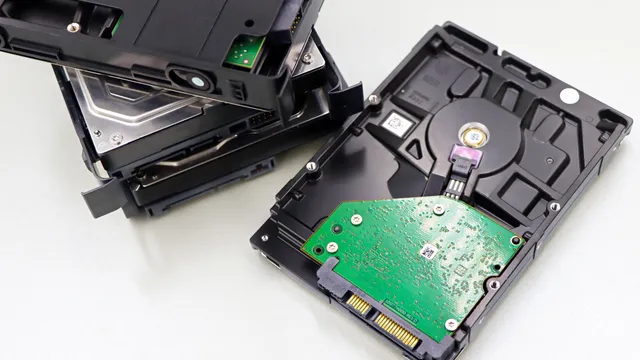
The Life and Death of a Server
Servers used to be written off after three years. Now hyperscalers stretch them to six while AI chips age out in two. What actually happens when a machine leaves the rack, and where millions of tonnes of hardware go next.
PUE, WUE, CUE: Decoding the Alphabet of Data Center Efficiency
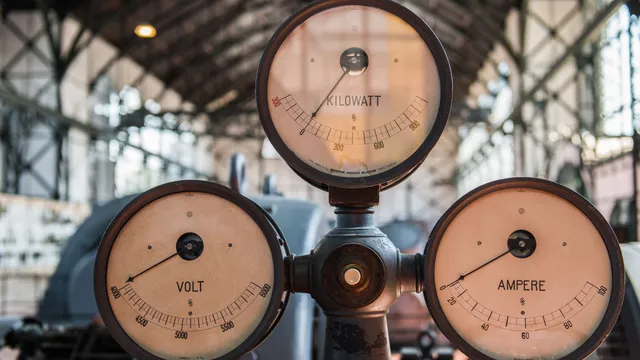
Every data center brags about its PUE, but the industry average hasn't budged in six years. Here's how the big efficiency metrics actually work, how they get gamed, and what to look for in a company's claims.
What's Actually Inside a Data Center: A Guided Tour
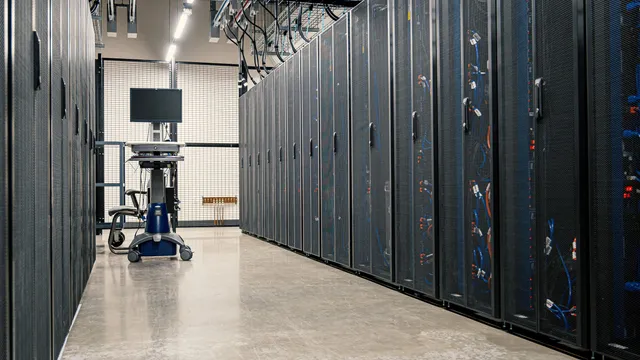
Server halls, diesel farms, mantraps, and rooms where the internet physically connects to itself: a plain-English walk through the buildings behind the cloud.